
Why There Is No Water in Fire Hydrants
When passing a bright red fire hydrant on a city street, most people imagine a pressurized column of water waiting just behind the nozzle. However, in many parts of the world-particularly in regions prone to freezing temperatures-the reality is exactly the opposite. Under normal conditions, these hydrants are completely empty. This design choice is not a technical failure but a sophisticated engineering solution to ensure reliability during emergencies.
Understanding why fire hydrants are kept dry requires an exploration of mechanical engineering, climate adaptation, and municipal maintenance strategies.
1.The Engineering Logic: Dry Barrel vs. Wet Barrel
The most fundamental reason for a "waterless" hydrant lies in its design category. The industry distinguishes between Wet Barrel and Dry Barrel hydrants.Wide Product Range
Wet Barrel Hydrants
In warm climates where temperatures never drop below freezing (such as California or Florida), Wet Barrel Hydrants are the norm. In these units, the water remains in the hydrant body above ground at all times. They are simpler to manufacture and provide immediate water access.
Dry Barrel Hydrants
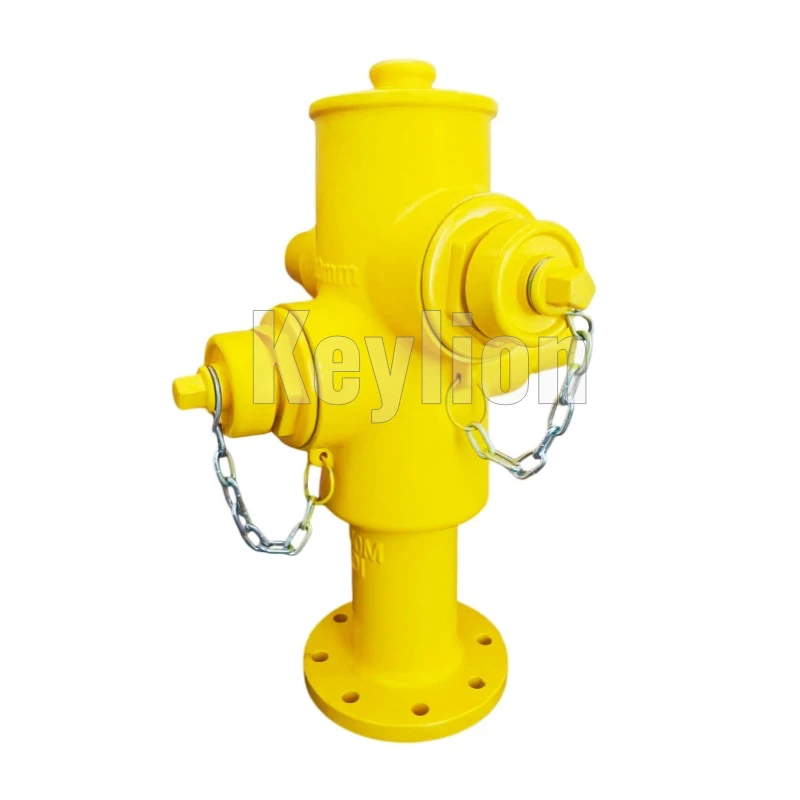
In contrast, Dry Barrel Hydrants are used in colder regions. The actual valve that holds the water back is located deep underground, below the frost line (the depth to which the ground freezes in winter). When the hydrant is not in use, the portion above the ground contains only air.
2.Preventing Catastrophic Freezing
The primary enemy of a fire hydrant is ice. If water were kept in the upper barrel during a harsh winter, it would freeze and expand. This creates two critical problems:
■ Mechanical Damage: The expansion of ice can crack the heavy cast-iron casing of the hydrant, rendering it useless.
■ Operational Failure: Ice can jam the operating nut and valves. In a fire emergency, every second counts; a frozen hydrant is a death sentence for a building under threat.
By keeping the barrel dry, engineers ensure that the mechanical parts remain mobile and the casing remains intact, regardless of how low the temperature drops.
3.The Drainage Mechanism: How It Stays Dry
A dry barrel hydrant is a marvel of "passive" engineering. When a firefighter closes the main valve at the bottom of the hydrant after use, a small drain hole at the base automatically opens.
As the main valve shuts off the water supply from the city main, the water remaining in the upper barrel drains out into the surrounding soil (often aided by a bed of gravel placed during installation). This ensures that even after a hydrant is used in winter, it returns to a dry state within minutes, preventing post-use freezing.
4.Protection Against "Geyser" Accidents
Another reason for keeping water below ground level is traffic safety. Vehicle collisions with hydrants are common in urban environments.
In a wet barrel system, hitting a hydrant often results in a spectacular but wasteful 50-foot geyser of water.
In a dry barrel system, many modern hydrants feature a "Break-away Design." If a car strikes the hydrant, the upper barrel snaps off at a specific "traffic flange," but the main valve remains tightly sealed deep underground. No water is wasted, and the city's water pressure remains stable.
5. Water Quality and Stagnation
Keeping water out of the hydrant barrel also helps maintain water quality. Water sitting in an above-ground pipe is subject to extreme temperature fluctuations. In the summer, this stagnant water can become a breeding ground for bacteria or cause internal corrosion of the hydrant's iron walls. By keeping the water in the main underground line where it circulates frequently, the municipal supply remains cleaner and the hydrant lasts longer.
6. Maintenance and Inspection Protocols
The "no water" status is also a key part of maintenance. Fire departments and utility companies perform Hydrant Flushing and Pressure Testing annually.
Static Pressure: They check the pressure when the valve is first opened.
Residual Pressure: They measure the pressure while water is flowing to ensure the infrastructure can handle a real fire.
If a technician finds water in a dry barrel hydrant during a routine inspection, it is a red flag indicating that the bottom drain is clogged or the main valve is leaking.
7. The Role of Modern Technology
As cities become "smarter," the way we monitor these dry hydrants is evolving. Some municipalities now install Smart Hydrant Sensors that monitor for leaks, pressure drops, or unauthorized tampering. These sensors can alert the fire department if a dry barrel has accidentally filled with water, allowing for repairs before the winter freeze sets in.
Conclusion
The absence of water in a fire hydrant is not a sign of a dry city, but a sign of resilient infrastructure. Whether it is preventing ice from shattering cast iron, stopping geysers caused by reckless drivers, or ensuring the purity of drinking water, the dry barrel system is a cornerstone of fire safety in the modern world. It is the silence of the empty barrel that ensures the roar of the water when it is truly needed.