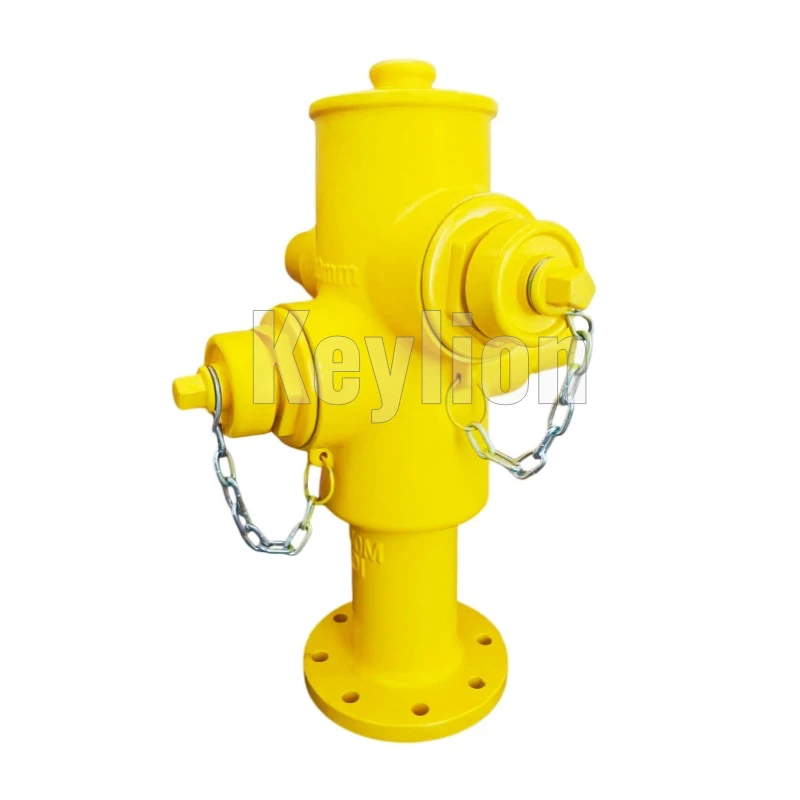

If you've ever walked a busy street in Manila or driven through a suburban subdivision in Cebu, you've definitely spotted those bright yellow fire hydrants peeking out from the sidewalk. They might look like simple metal fixtures, but every part of a Philippine fire hydrant assembly-from the main body to the underground elbows and direct fittings-is engineered to meet the unique demands of the country's fire safety infrastructure.
For contractors, facility managers, and municipal teams working in the Philippines, picking the right hydrant setup isn't just about checking boxes for compliance. It's about ensuring reliable water flow, consistent pressure, and long-term durability when a fire breaks out. Today, we're breaking down the most common Philippine fire hydrant systems, including the popular 4-inch and 6-inch above-ground hydrants, plus the direct fittings, elbows, and compact 3-inch/4-inch hydrants that keep the whole network working.
The 4-inch hydrant is the most common choice for residential and light commercial applications in the Philippines.
■ Performance: Designed to support 1–2 fire hoses at once, delivering steady water flow for low-to-medium risk fires in homes, small shops, and apartment buildings.
■ Philippine-specific benefits: Its compact size fits easily on narrow sidewalks and in older neighborhoods with tight underground utility layouts. It's also lighter and easier to install than larger models, making it ideal for retrofits and new subdivision projects.
■ Top use cases: Residential subdivisions, barangay public spaces, small retail plazas, and low-rise apartment complexes.

6-Inch pillar Fire Hydrant

When high-volume water flow is non-negotiable, the 6-inch hydrant takes center stage. This is the standard for high-risk commercial and industrial sites across the country.
■ Performance: Built to handle multiple fire hoses or direct connections to fire truck pumpers, delivering the large water volumes needed to contain fast-spreading fires in warehouses, factories, and malls.
■ Philippine-specific benefits: Reinforced flanges and heavy-duty cast iron construction handle the high water pressure common in industrial zones. Its bright yellow coating ensures visibility even in busy urban areas, so firefighters can locate it quickly during emergencies.
■ Top use cases: Manufacturing plants, shopping malls, hospitals, high-rise buildings, and main thoroughfares in major cities like Manila and Davao.
Direct Fittings and 90-Degree Elbows: The Hidden Parts That Keep Hydrants Working
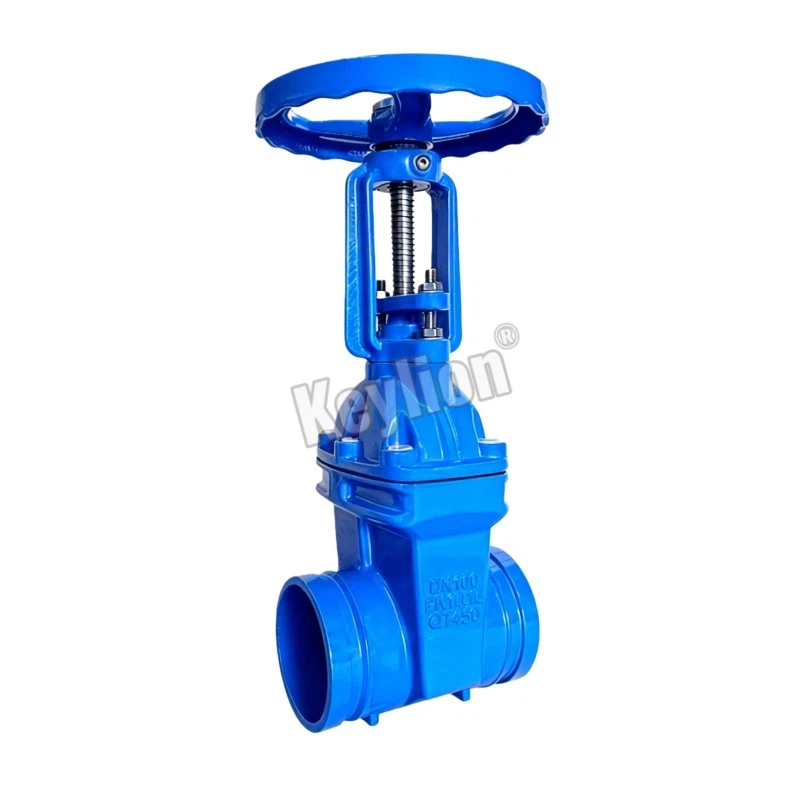
Direct fittings are straight, rigid connectors that link the hydrant directly to the water main.
■ Key role: They create a straight, unobstructed path for water flow, minimizing pressure loss between the main and the hydrant.
■ Why they work in the Philippines: Built with flanged ends that match local pipe specifications, so they fit seamlessly with both new and aging water mains. They're also coated with anti-corrosion materials to resist damage from humid soil and coastal moisture.
■ Common applications: New residential subdivisions, planned commercial developments, and sites where the hydrant can sit directly above the water main.

90-Degree Hydrant Elbow

In many Philippine cities, hydrants can't sit directly above the water main-thanks to sidewalks, existing utility lines, or tight urban layouts. That's where 90-degree elbows come in.
■ Key role: They redirect water flow at a right angle, letting the hydrant connect to an offset water main without sacrificing pressure or flow.
■ Why they work in the Philippines: Reinforced bends prevent cracking under high water pressure, and their flanged connections align perfectly with standard Philippine fire hydrant and pipe sizes. They're also designed to withstand shifting soil, a common issue in older urban areas.
■ Common applications: Retrofit installations in older cities, tight urban alleyways, and sites where underground utilities are already crowded.
Not every site needs a full-size 6-inch hydrant. For low-risk, space-limited, or remote locations in the Philippines, 3-inch and compact 4-inch hydrants offer a practical, code-compliant solution.
■ Performance: Designed for single-hose use, delivering enough water to handle small fires in low-risk settings.
■ Philippine-specific benefits: Ultra-compact size fits in tight spaces like school playgrounds, barangay outposts, and remote rural areas. It's also lightweight and low-maintenance, making it ideal for locations with limited access to regular servicing.
■ Common applications: Small barangay facilities, rural residential areas, school campuses, and remote community spaces.

Final Thoughts: Why the Right Hydrant Setup Matters for the Philippines
In a country where humidity, salt air, and aging infrastructure take a constant toll on fire equipment, choosing hydrants and fittings built for local conditions isn't just a good practice-it's critical to public safety.
Whether you're designing a new fire protection system for a subdivision, retrofitting a commercial building, or maintaining municipal hydrants, the right combination of sizes (3-inch, 4-inch, 6-inch) and fittings (directs, elbows) ensures your system works reliably when it counts.
At the end of the day, a fire hydrant isn't just a metal fixture in the ground. It's the first line of defense for homes, businesses, and communities across the Philippines-and getting the details right makes all the difference.