Optimal Installation Locations for Wet Barrel Fire Hydrants: A Technical Guide
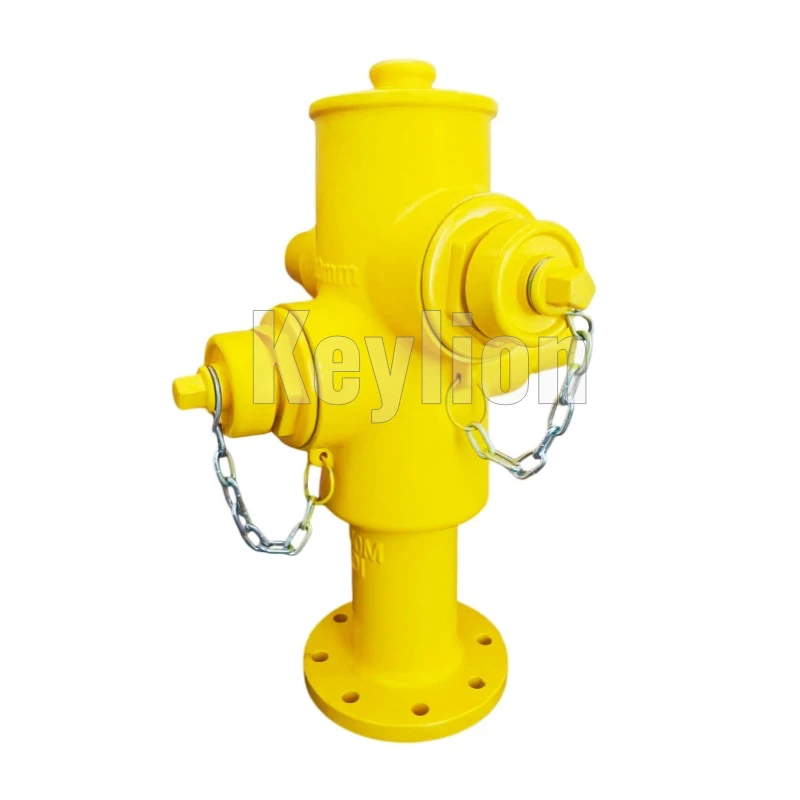
Wet barrel fire hydrants are a cornerstone of fire suppression infrastructure in specific environments. Unlike dry barrel hydrants, which keep water below the frost line in a subterranean valve, wet barrel units are constantly filled with pressurized water up to the discharge nozzles. This design offers the advantage of immediate water access and simplified mechanical maintenance.
However, because the water is always present within the unit, the decision of where to install them is dictated by environmental stability and strategic accessibility. Below is a detailed analysis of the optimal installation locations for wet barrel hydrants.
1.Climatic Prerequisites: Non-Freezing Zones
The primary technical constraint for wet barrel hydrant installation is the local ambient temperature. Since the water remains in the "barrel" (the above-ground portion), these units are exclusively installed in frost-free geographic regions.
■ Tropical and Subtropical Belts: These hydrants are the standard in regions where the temperature remains consistently above 0°C (32°F). This includes much of Southeast Asia, the Middle East, coastal regions of the Mediterranean, and parts of Oceania.
■ Climate Consistency: They must only be installed in areas where there is no risk of water freezing inside the casting. If installed in cold climates, the expansion of ice would rupture the hydrant body, rendering the fire protection system useless and causing significant water damage.
2.Urban Infrastructure
In suitable climates, wet barrel hydrants are strategically placed along municipal road networks to provide comprehensive coverage for residential and commercial buildings.
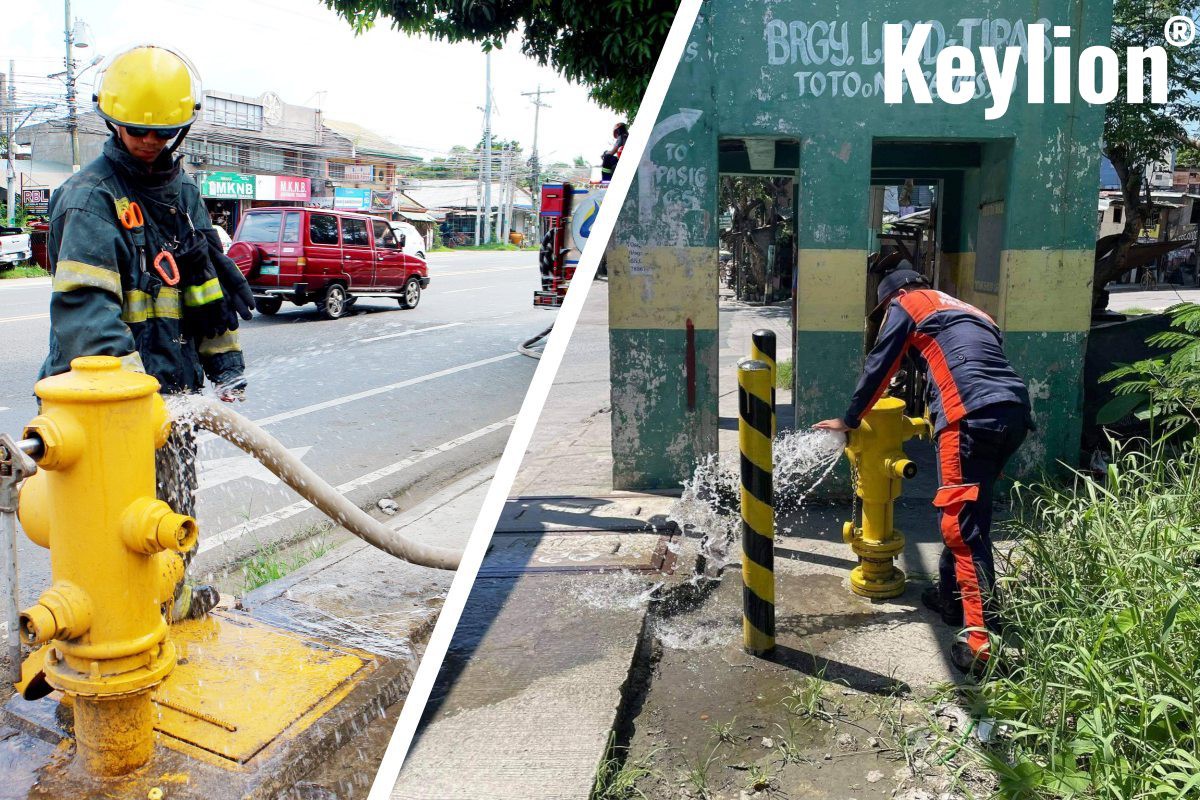
■ Roadside Positioning: Hydrants are typically installed at regular intervals along the curb or within the utility strip (the area between the sidewalk and the street). Standard practice dictates a setback of approximately 0.6 to 1 meter (2-3 feet) from the curb to protect the unit from vehicular impact while ensuring fire hoses can be easily attached.
■ Intersection Priority: Most fire safety codes prioritize placement at street intersections. This allows a single hydrant to serve multiple blocks and provides fire engines with better maneuvering space when connecting to the water supply.
■ Standardized Spacing: In high-density urban areas, hydrants are usually spaced every 90 to 150 meters (300-500 feet). This ensures that any point on a building's perimeter can be reached by a standard fire hose lay.
3.Industrial and High-Risk Facilities
Wet barrel hydrants are favored in industrial settings because of their "instant-on" capability and the ability to control multiple outlets independently.
■ Petrochemical and Power Plants: In environments where a fire can escalate in seconds, the immediate pressurization of wet barrel units is critical. They are often installed along the perimeter of fuel storage tanks and processing units.
■ Logistics and Warehousing: Large distribution centers often feature a "private loop" system where wet barrel hydrants are installed around the building exterior to provide 360-degree protection.
■ Independent Valve Control: Because each outlet on a wet barrel hydrant usually has its own independent valve, they are ideal for locations where multiple fire crews may need to connect and disconnect at different times without shutting down the entire hydrant flow.
4.Commercial Complexes
Due to their ease of operation and lower maintenance costs compared to dry barrel systems, wet barrel hydrants are the preferred choice for large-scale public infrastructure.
■ Hospital and University Campuses: These locations require reliable, visible, and easy-to-access fire protection. Hydrants are placed near main entrances and along emergency access lanes.
■ Seaports and Coastal Infrastructure: In coastal cities with moderate climates, wet barrel hydrants are used to protect docks and port facilities. In these environments, they are often constructed from corrosion-resistant materials like bronze to withstand salt-laden air.
5.Safety Requirements
The physical placement of the hydrant is as important as the geographic location. Proper installation ensures the unit remains functional for decades.
■ Clearance Zones: A clear "working radius" of at least 1 meter (3 feet) must be maintained around the hydrant. This space must be free of trees, utility poles, or signage that could hinder a firefighter's ability to operate the valve or connect heavy-duty hoses.
■ Visibility and Protection: In high-traffic areas, hydrants are often protected by bollards (sturdy metal posts) to prevent damage from parking cars or delivery trucks. They are also painted in high-visibility colors (such as signal red or safety yellow) to be easily identified under low-light conditions.
■ Foundation Stability: Each hydrant must be mounted on a solid concrete pad or "thrust block." This prevents the high-pressure water flow from shifting the hydrant or damaging the underground piping connections.
Conclusion
Wet barrel hydrants are a highly efficient solution for fire protection, provided they are installed in the correct environment. Their placement is a balance between climatic suitability, proximity to potential hazards, and ease of access for emergency responders. By adhering to these installation principles, engineers and urban planners can ensure a reliable water supply that is ready to perform the moment a fire is detected.