
Why is the Philippine Fire Hydrant Essential for Modern Urban Safety?
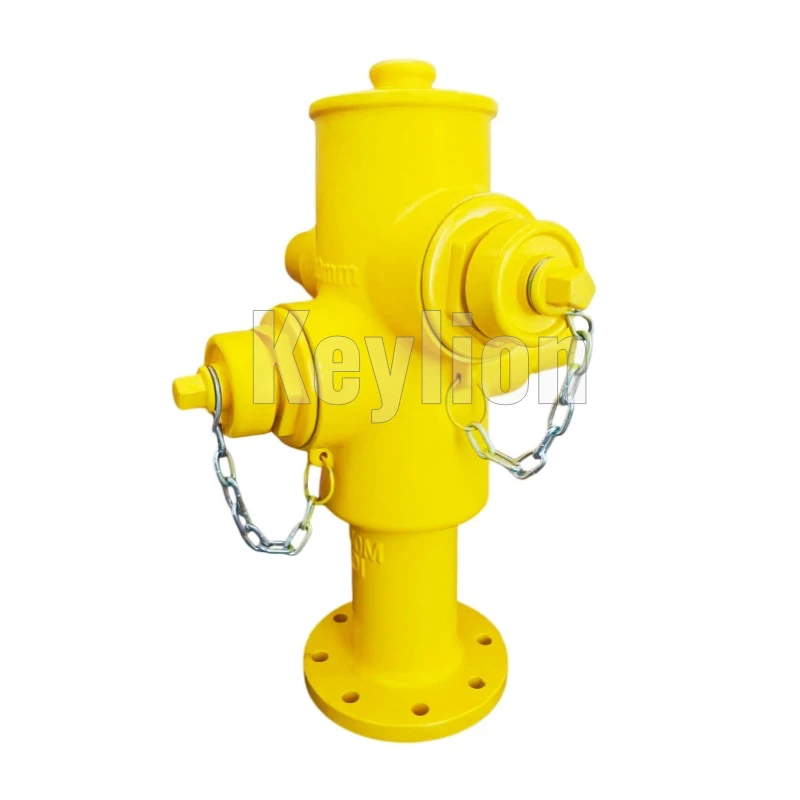
In the realm of fire protection engineering, the fire hydrant stands as the most critical line of defense between a manageable fire and a catastrophic disaster. Among the various regional designs worldwide, the [Philippine Fire Hydrant] has evolved into a unique standard, shaped by the archipelago's specific environmental challenges, urbanization patterns, and rigorous safety codes.
This article provides an in-depth look at the Philippine hydrant, exploring its technical specifications, the importance of the "Jones" type design, and why it remains a cornerstone of fire safety infrastructure in 2026.
1.Understanding the Core Design: The "Jones" Type Legacy
When discussing fire hydrants in the Philippines, one cannot overlook the prevalence of the "Jones" type hydrant. Unlike the tall, barrel-shaped "dry barrel" hydrants common in freezing North American climates, the Philippines primarily utilizes wet barrel hydrants or specific outdoor ground-type hydrants.
The Jones type hydrant is characterized by its robust, compact design and its ability to provide immediate water flow. Since the Philippines is a tropical country, there is no risk of water freezing inside the barrel, allowing for "wet" designs where water is always present in the hydrant body, ready for instantaneous use.
2. Technical Specifications and Standards
A Philippine fire hydrant is not just a piece of cast iron; it is a precision-engineered device built to meet the Bureau of Fire Protection (BFP) standards and often aligns with international UL/FM certifications.
Key Components:
◆ Body Material: High-grade Ductile Iron or Cast Iron (ASTM A126), ensuring durability against high pressure and corrosion.
◆ Inlet Size: Typically a 4-inch or 6-inch flanged connection to the main water line.
◆ Outlets: Most units feature two 2.5-inch hose nozzles and one 4.5-inch pumper nozzle (for fire truck suction).
◆ Threads: In the Philippines, the National Standard Thread (NST) is widely used, though some local municipalities may have specific historical threading requirements.
◆ Operating Pressure: Designed to withstand a working pressure of 150 PSI to 250 PSI, with test pressures reaching much higher.
3. Why the Philippines Needs Specialized Hydrants

Humidity and Corrosion
With high humidity and proximity to the sea, standard metal equipment can rust rapidly. Modern Philippine hydrants are treated with high-visibility red epoxy coating (electrostatic powder coating). This doesn't just make them easy for firefighters to find; it protects the iron from oxidation and salt-air corrosion.

Urban Density
In cities like Manila, Cebu, and Davao, high-density residential areas (informal settlements and narrow alleys) make fire truck access difficult. Reliable, high-pressure hydrants strategically placed at street corners are the only way to ensure water reaches deep into these neighborhoods via long hose lays.

Seismic Activity
The Philippines is located on the Pacific Ring of Fire. Hydrant installations must be resilient to ground shifts. Quality Philippine hydrants are installed with "breakaway" kits, ensuring that if a vehicle hits the hydrant during an earthquake or accident, the valve remains sealed, preventing massive water loss.
4. Installation and Maintenance: The "Set and Forget" Fallacy
A common misconception is that fire hydrants require no maintenance. To ensure a Philippine hydrant performs during an emergency, strict protocols must be followed:
1. Placement: Hydrants must be unobstructed, typically spaced 100 to 150 meters apart in commercial zones.
2. Annual Flushing: The BFP and private contractors must "flush" hydrants annually to remove sediment and verify water pressure.
3. Lubrication: Operating nuts and nozzle caps must be lubricated to ensure they don't seize up in the tropical heat.
4. Visibility: Ensuring the "Fire Hydrant Yellow" paint is maintained is crucial for night-time identification.
5. The Evolution: Smart Hydrants in 2026
As of 2026, the Philippines is seeing a shift toward Smart Water Management. New hydrant models are being equipped with IoT (Internet of Things) sensors. These sensors can:
◆ Detect unauthorized water usage (theft).
◆ Monitor real-time water pressure in the municipal line.
◆ Send an alert if the hydrant is damaged or knocked over.
This technological leap is helping Philippine water districts like Manila Water and Maynilad reduce "Non-Revenue Water" (NRW) while simultaneously increasing fire safety readiness.
6. Choosing the Right Supplier for Philippine Projects
For contractors and developers working on Philippine infrastructure, sourcing the right hydrant is vital. It is not enough to buy any "red hydrant." You must ensure:
◆ BFP Compliance: Does the product meet the requirements of the Philippine Fire Code (RA 9514)?
◆ Material Quality: Is it ductile iron (which is more flexible and less prone to cracking) or cheaper gray iron?
◆ After-sales Support: Are replacement gaskets, caps, and wrenches readily available in the local market?
Conclusion
The Philippine Fire Hydrant is more than just a street fixture; it is a specialized tool adapted for the tropics, built for high-density urban challenges, and regulated by strict national safety standards. Whether it is the classic Jones type or a modern UL-listed wet barrel model, these units are the silent guardians of Philippine cities.
Investing in high-quality hydrants means investing in the resilience of the community. As urban landscapes in the Philippines continue to grow vertically and horizontally, the reliance on these high-performance water outlets will only increase.
Looking for Reliable Fire Protection Solutions?
If you are a developer or engineer in the Philippines, always consult with certified fire safety professionals to ensure your hydrant system meets the 2026 updated safety codes. Ensure your project is protected by the best in class.
[View our range of BFP-compliant Philippine Hydrants here]