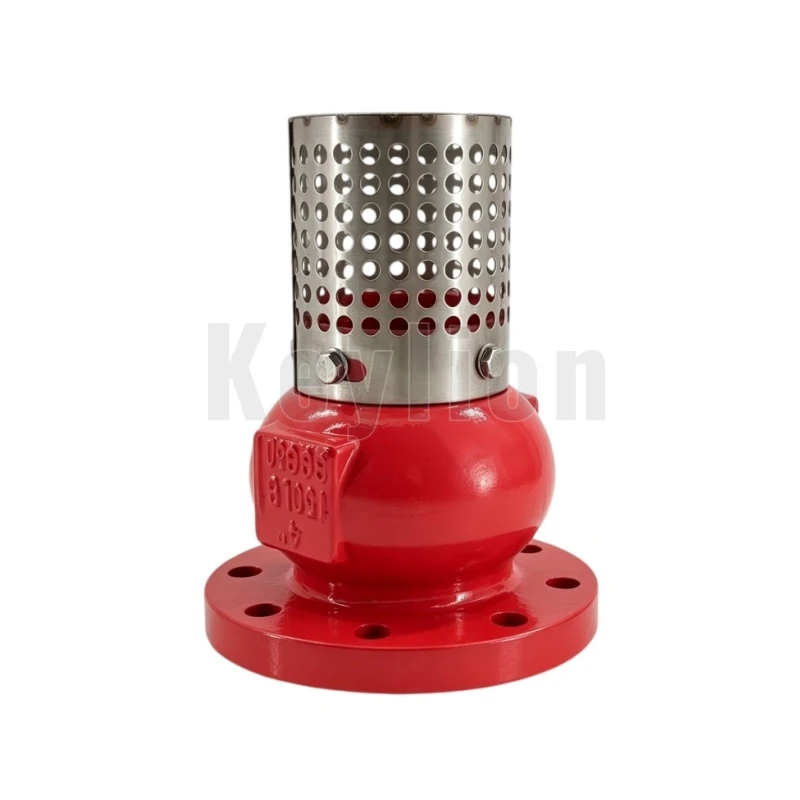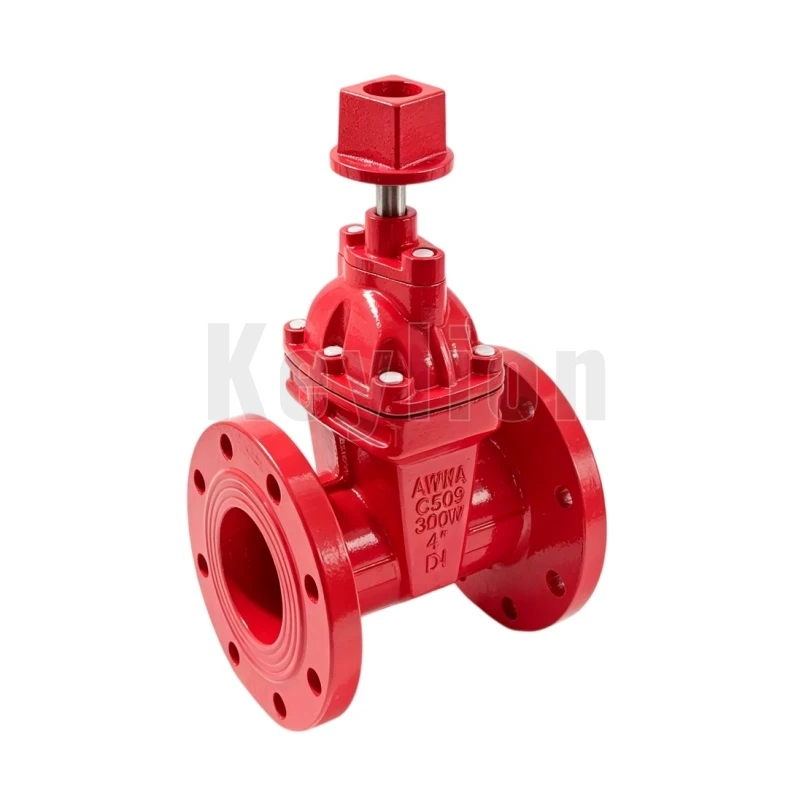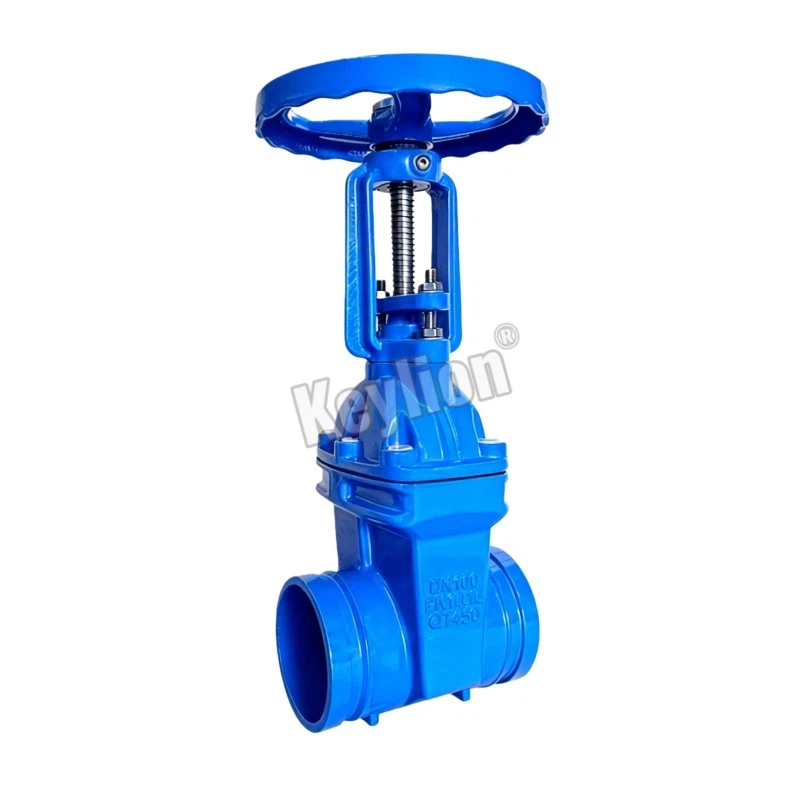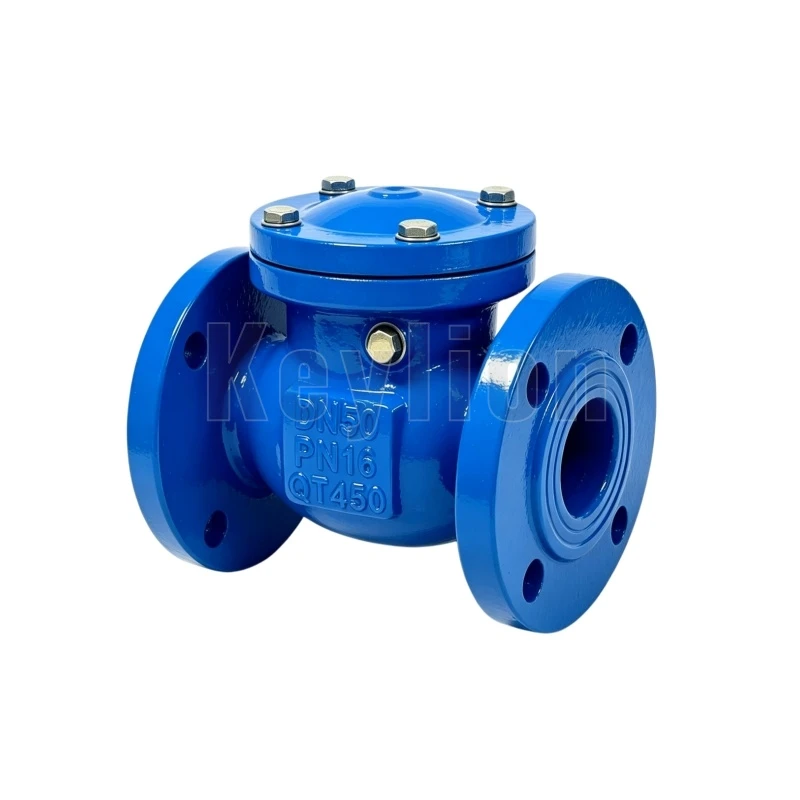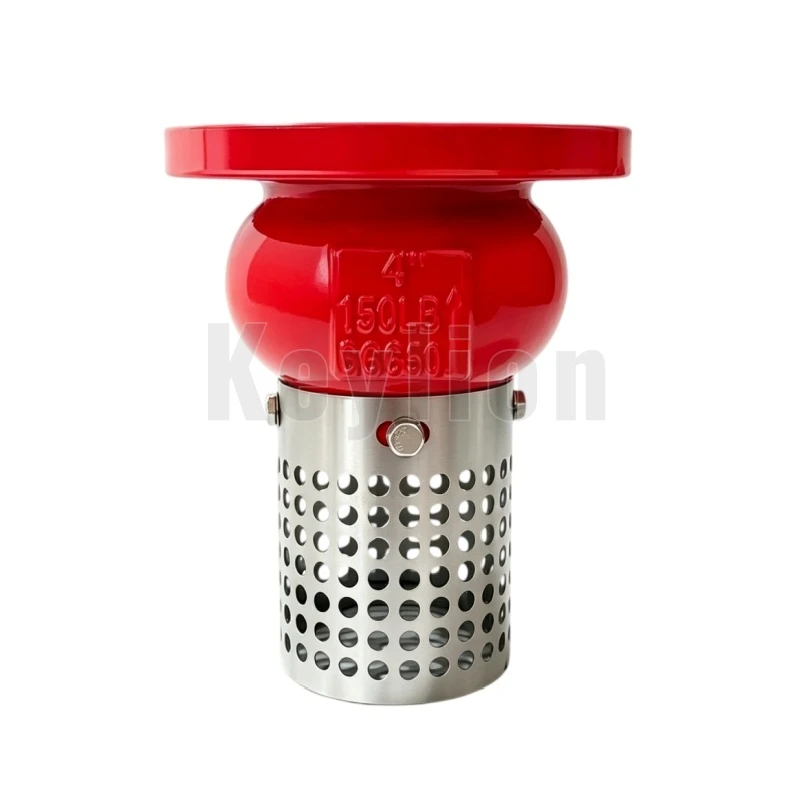
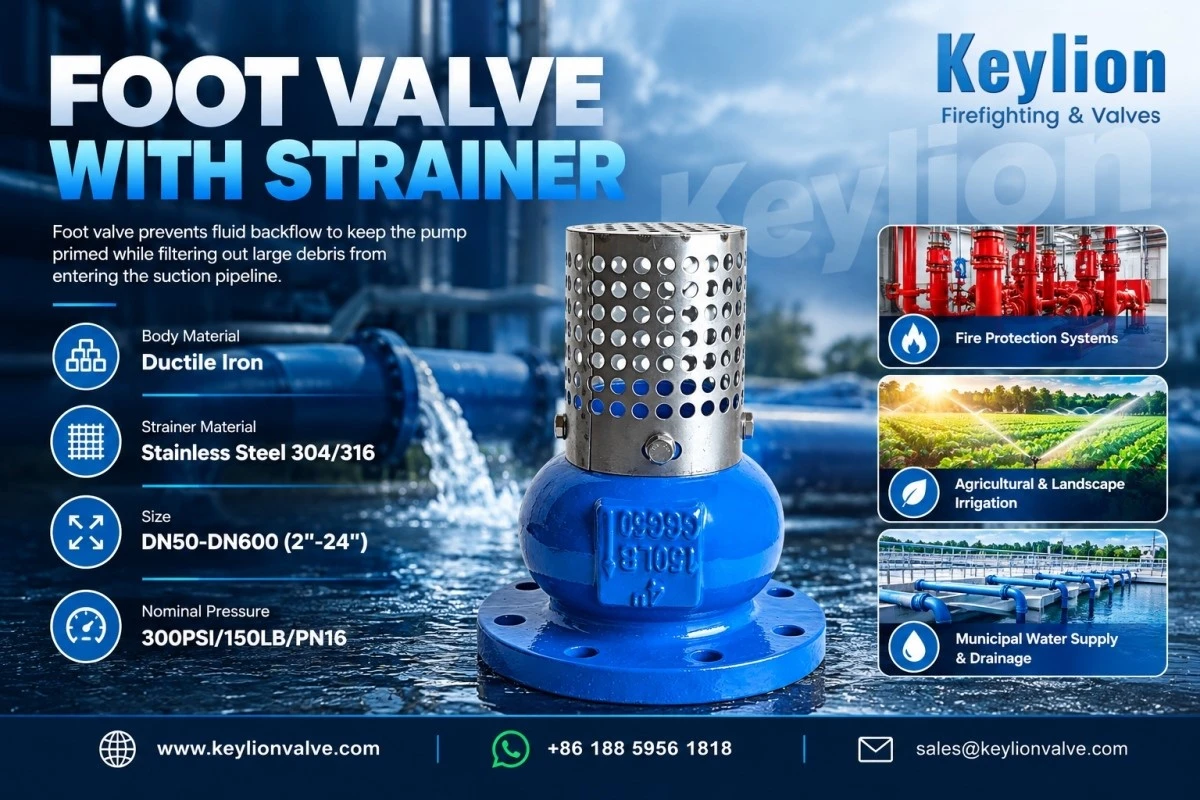
If your industrial water pump keeps losing its prime or the flow rate just isn't what it used to be, don't rush to blame the motor just yet. More often than not, the headache starts right at the beginning-the flanged foot valve installation. This little component is the literal gateway for your fluid intake. If the placement, depth, or even the angle of this foot check valve is off by just a bit, you're looking at a massive drop in mechanical efficiency. Even worse, it'll eat up the operational lifespan of your entire pumping system faster than you'd think. To keep the water moving and avoid suction piping failures, you've got to follow some basic, real-world standards for cast iron foot valve strainer placement.
Keep it straight: The Vertical Rule
First, let's talk about the vertical alignment. I've seen guys try to "cheat" the angle because the pipe was a bit off, but a Keylion Valve flanged foot valve really depends on gravity. These valves use a spring-assisted disc to shut tight. If your valve body isn't positioned perfectly vertical, that internal disc isn't going to seat right against the seal. Even a slight tilt lets water leak back into the source the second the pump stops. That's exactly how you lose your pump priming overnight, and it's a total waste of time to fix every morning.
Don't suck air: Watch your depth
Then there's the submergence depth. If you install a suction pipe foot valve too close to the surface, you're basically asking for air bubbles. The suction creates a whirlpool-what we call a vortex-that pulls air into the line. This leads straight to pump cavitation and ruins your impeller. I always tell my clients to make sure the top of the strainer is at least 3 to 4 times the pipe diameter below the water level. You want to keep that intake smooth and submerged, especially when the water level drops during a long pumping session.
Avoid the mud: Bottom clearance
Don't just drop the valve onto the floor of the well or riverbed either. I've seen cast iron foot valve strainers completely buried in silt, and it's a mess. The suction creates a localized vacuum that pulls up all the sand and gravel at the bottom. This blinds the mesh filter, restricts the water intake, and makes the pump work twice as hard. Keep the valve at least 1 or 2 times the pipe size off the bottom. Let the water flow in, not the dirt.
Give it space: Wall distance matters
Basin walls can also be a problem. You need an unobstructed flow profile for the water to enter the strainer evenly. If the flange is jammed up against a concrete wall, you'll get turbulent flow and unnecessary pressure drops. I recommend maintaining a clearance of at least 1.5 times the pipe diameter from any wall or other pipes. It sounds like a small detail, but it prevents fluid turbulence and keeps your suction head loss to a minimum.
Don't let it carry the weight
Finally, watch the piping stress. I often see people letting the entire weight of the vertical suction pipe rest right on the valve body. Look, a Keylion Valve is built tough to handle fluid pressure, but it's not a structural support beam. Use pipe hangers or anchors to support the pipe string. If the pipe weight rests on the valve, it introduces bending forces that lead to flange leaks or even body cracks over time. It's a simple fix that saves a lot of money on future repairs.
At the end of the day, your pumping setup is only as reliable as its lowest component. By getting the vertical alignment right, checking your submergence depths, and keeping it away from walls and mud, you can stop those priming failures for good. It doesn't matter if you're in municipal water or agriculture-doing the job right the first time is what keeps the system running.