
If you work in fire protection, plumbing, or building construction, you've almost certainly seen a post indicator valve-usually bright red, sticking out of the ground near commercial buildings. But if you're new to designing or installing fire protection systems, you might be wondering: where exactly are post indicator valves supposed to go? And why does location matter so much?
In this article, I'm going to break down exactly where PIVs are typically installed, what codes require, and what actually makes sense in real-world projects. This isn't generic textbook information-just practical, on-the-job knowledge about how these valves are placed on actual job sites.
What Is a Post Indicator Valve, Anyway?
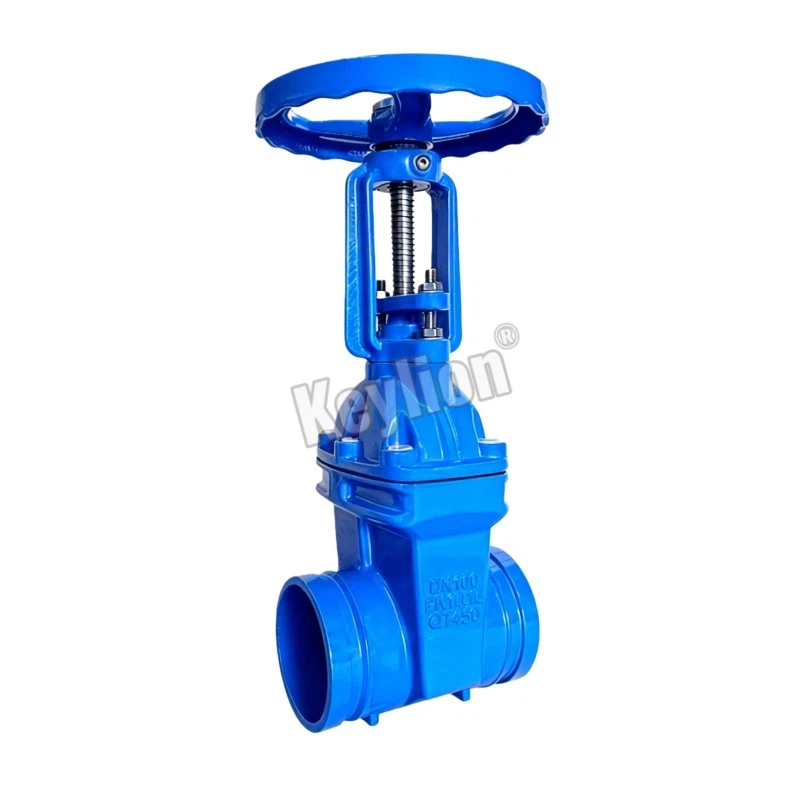
Before we talk about location, let's quickly cover what a PIV does. A post indicator valve connects to an underground gate valve that controls the main water supply to a building's fire sprinkler system. The post itself sits above ground, with a clear window that shows whether the valve is OPEN or SHUT.
Workers and firefighters don't have to dig or go underground to check or operate the valve. They just turn the handle on the post, and the indicator shows the status immediately. That's why these valves are so important-they provide quick, visible control over the fire water supply without extra effort or risk.
By far the most standard placement for a post indicator valve is outside the building, on the ground, at least 40 feet from the exterior wall. This is the default setup on nearly every commercial project I've seen, and it's the preferred arrangement under NFPA 24, which governs private fire service mains.
Why 40 feet? Simple. If a fire gets severe enough to damage the building structure, the valve still needs to be accessible. Firefighters must be able to reach it safely, without entering a dangerous area. Placing it too close to the building could leave it unusable during an emergency.
On most sites, you'll find PIVs in these kinds of spots:
• Near parking lot islands or curbs, where they're protected from vehicles
• Close to main entrances so first responders can spot them quickly
• Near fire department connections (FDCs), since both are used by fire crews
• In utility easements or landscaped setbacks, away from heavy foot traffic
The goal is always visibility, safety, and protection from accidental damage.
In tight urban areas where there's simply no space for a ground-mounted post, wall-mounted post indicator valves are often used. These attach directly to the outside wall of the building, right over the point where the fire main enters the structure.
This setup is common on:
• Downtown buildings with little to no yard space
• Buildings where the fire main comes straight through an exterior wall
• Properties where underground installation would be too difficult or costly
One important rule here: the wall section around the valve must be fire-rated. Otherwise, the valve could be damaged or blocked if the wall fails during a fire. Local inspectors almost always check this, so it's not something you can skip.
On some larger sites-like warehouses, factories, or distribution centers-you might see pedestal-mounted PIVs. These still have an underground valve, but the post rises from a concrete base inside the building. This setup is used when underground installation outside isn't practical.
You'll rarely see fully pit-installed indicator valves these days. Most authorities dislike them because they're harder to access and can flood or freeze. When they are used, they require special approval and a large, safe access pit.
Real-World Rules for Placing Post Indicator Valves
Location isn't just about distance. On every job, we follow a few practical rules that keep the valve functional and code-compliant:
First, always leave at least 3 feet of clear space around the post. Workers need room to turn the handle, and inspectors need to see the indicator clearly. No bushes, fences, or equipment should block it.
The operating handle should be around 36 inches above ground. That's a comfortable height for most people to reach without tools or strain.
In areas with vehicle traffic, always install bollards or curbs around the PIV. I've seen multiple posts damaged by trucks or forklifts, and replacing them delays inspections and adds unnecessary cost.
Labeling is also important. A simple, durable sign that says which building or system the valve controls helps firefighters and maintenance teams avoid mistakes.
In colder climates, make sure the underground parts are below the frost line. Freezing pipes can crack valves and render the entire fire system useless.
Why Location Really Matters
I've worked on projects where a PIV was placed poorly, and it always causes headaches. If a valve is hidden, blocked, or too close to the building, inspectors will fail the site. Insurance companies may even deny coverage if the fire protection system isn't up to code.
Worse, in an actual fire, a badly placed PIV could delay response or leave firefighters without the ability to control the water supply. That's not just a code violation-it's a safety risk.
Placement isn't just about following rules. It's about making sure the valve works when people need it most.
Wrapping Up
To put it simply: post indicator valves are almost always installed outdoors, at least 40 feet from the building, in visible, protected locations. When space doesn't allow that, wall-mounted versions are used with proper fire-rated walls.
Every placement decision comes down to three things: accessibility for firefighters, protection from damage, and compliance with fire codes. Get those right, and the PIV will perform reliably for years.
If you're designing a system or reviewing site plans, stick to these standard practices. They're not arbitrary-they come from real jobs, real emergencies, and years of on-site experience.