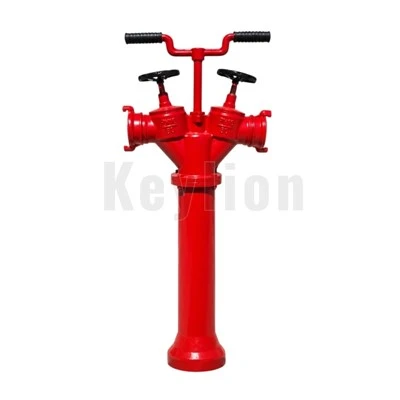
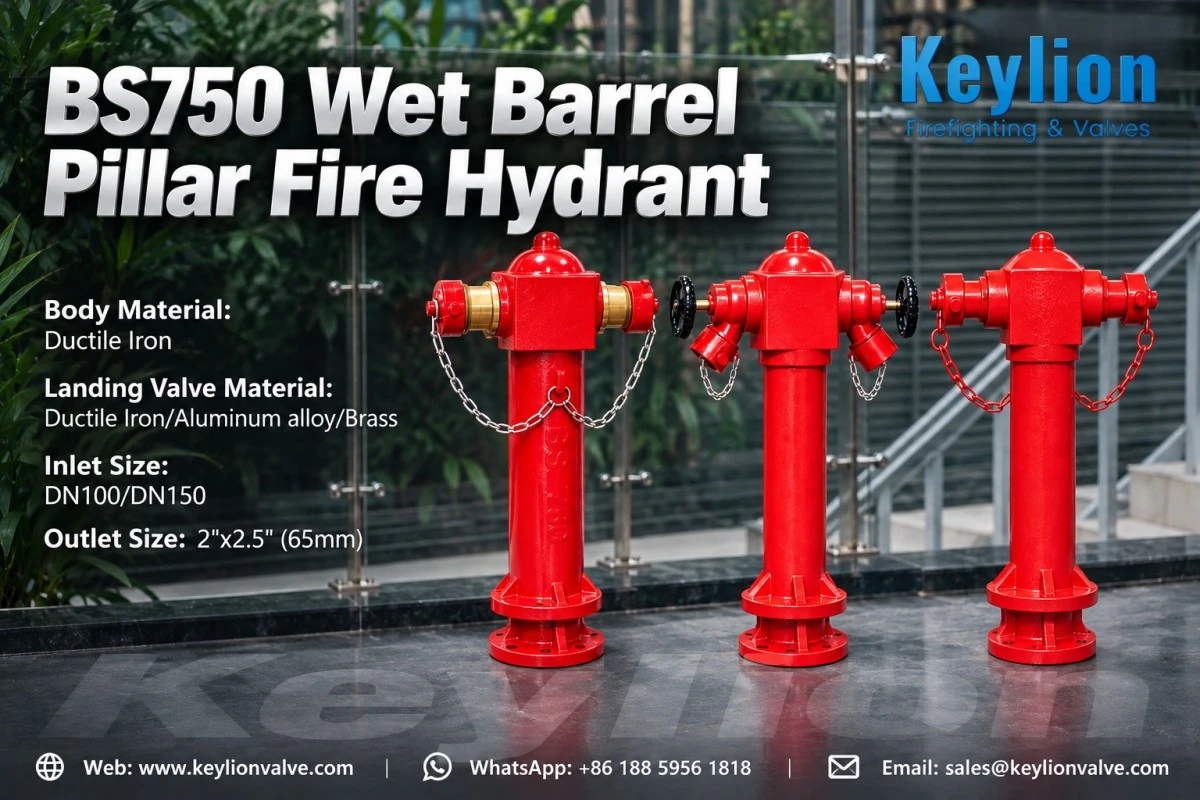
When you see a red, upright post standing on a sidewalk near a factory or a large commercial complex, you are likely looking at a BS 750 pillar fire hydrant. Essentially, it is an extension of the underground water main brought above ground level for immediate firefighter access. Following the British Standard 750, these units are engineered to handle high pressure while ensuring that any standard BS 336 hose coupling can snap right into place. Unlike the underground versions that sit beneath heavy road covers, the pillar design stands tall, making it a critical part of the external fire protection system. It acts as the primary water source for pumpers during an emergency. In many industrial zones, having these bolted to the pipeline is the simplest way to meet local fire safety regulations
The use of this standard is common in the United Kingdom and Ireland, where the code originated. However, because many regions adopted British engineering practices for their infrastructure, you will also see them across the Middle East, specifically in the UAE, Qatar, and Kuwait. Additionally, Southeast Asian markets like Malaysia, Hong Kong, and Singapore frequently specify BS 750 hydrants for their municipal and industrial projects.
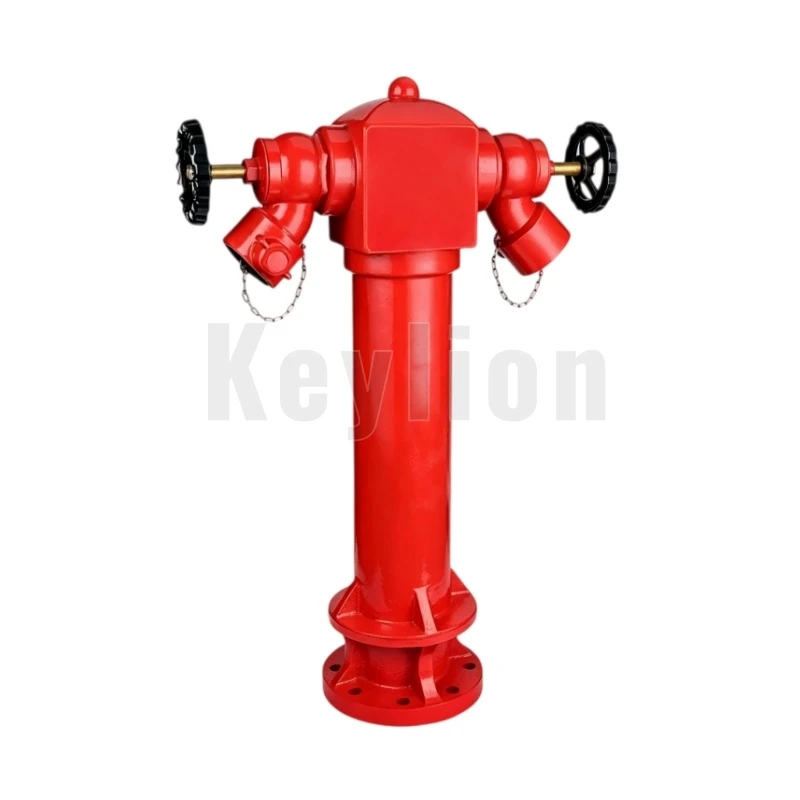
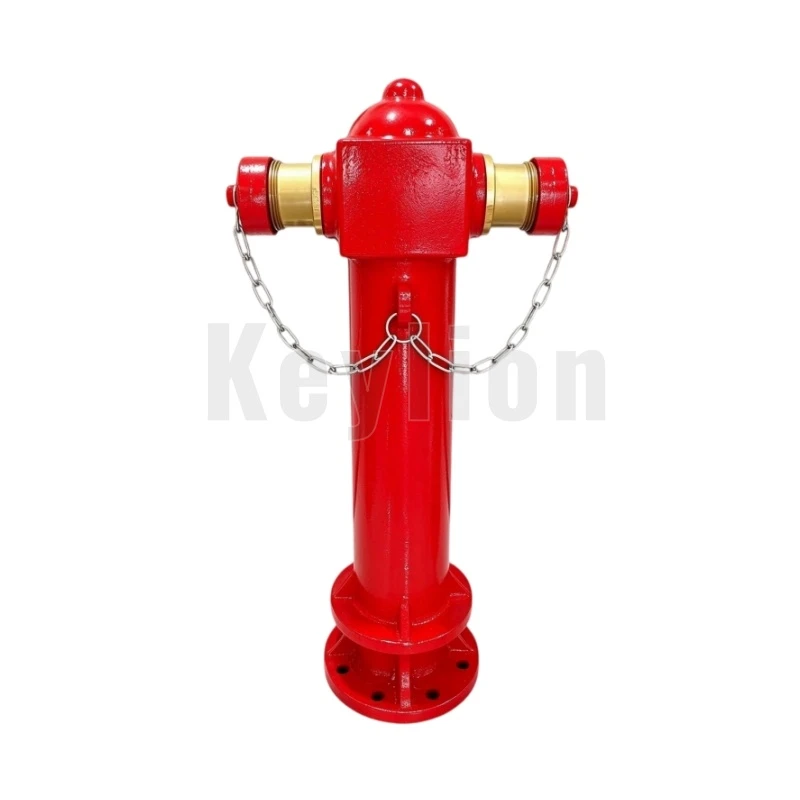
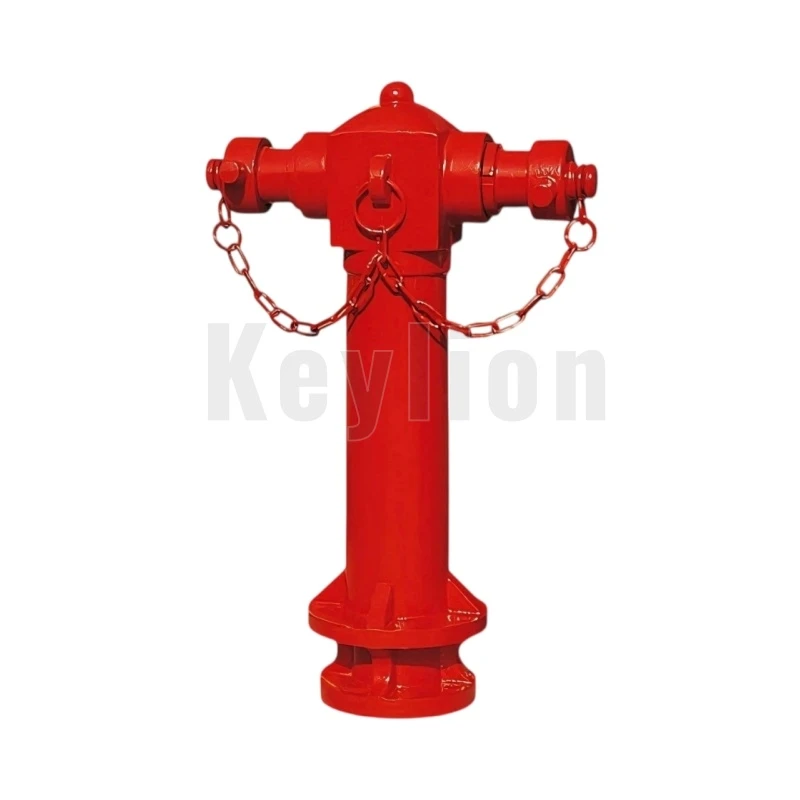
A standard unit is built around a vertical ductile iron body, usually graded as GGG50 to handle the mechanical stress of street-side installation. The most recognizable parts are the two side outlets, which must be BS 336 female instantaneous type. These are usually fitted with plastic or chain-linked caps to keep dirt out. Inside the post, a stainless steel stem connects the top handwheel to the bottom valve mechanism. The entire assembly sits on a DN80 or DN100 flange, which is the connection point to the water main. Most manufacturers finish these with a thick, red fusion-bonded epoxy to prevent the metal from rusting in the rain.
The main reason comes down to visibility and access. In a crowded warehouse area, delivery drivers often park trucks on top of underground hydrant covers without realizing they are blocking a lifesaving water source. A pillar hydrant stands about a meter high, so it is hard to miss and impossible to park over. When a fire breaks out, the brigade needs to find water in seconds. Spotting a red post from a distance is much faster than hunting for a metal plate that might be covered in mud, snow, or even parked vehicles.
Speed of operation is another big win. To use an underground hydrant, firefighters have to pry the cover open and carry a separate standpipe to reach the valve. With a pillar hydrant, the "standpipe" is already part of the permanent structure. You just pull the caps, click the hose in, and turn the wheel. Maintenance is also much easier for factory staff. If an underground valve starts leaking, the water just disappears into the soil, causing hidden damage over time. If a pillar hydrant has a drip, you see the puddle on the pavement immediately. For high-risk areas like chemical sites or timber yards, this ease of inspection and rapid deployment can stop a small fire from becoming a total disaster.
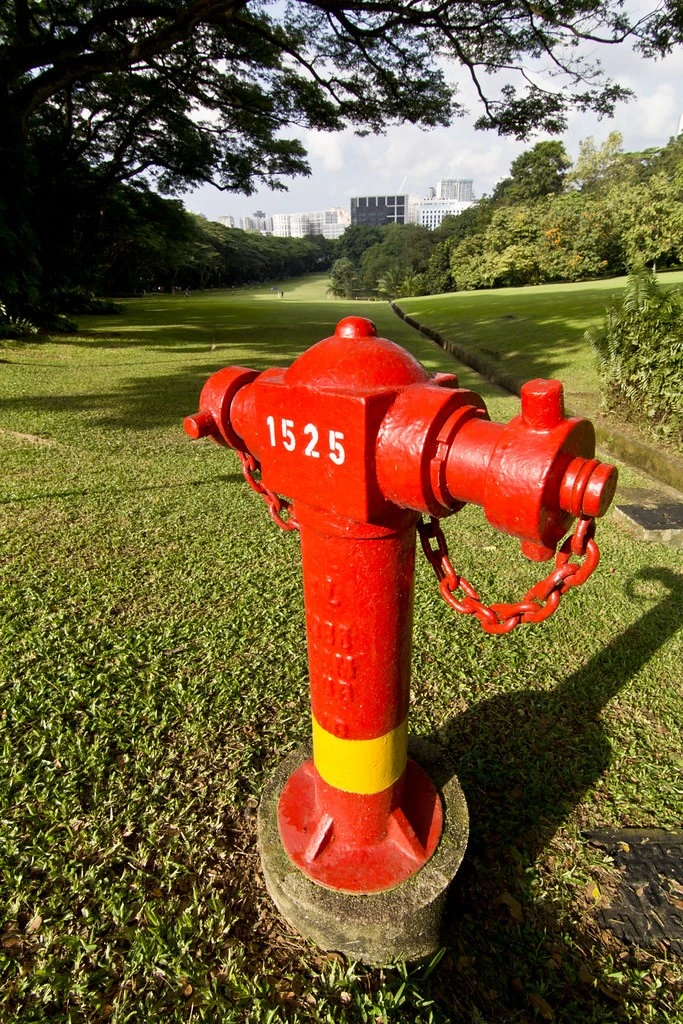
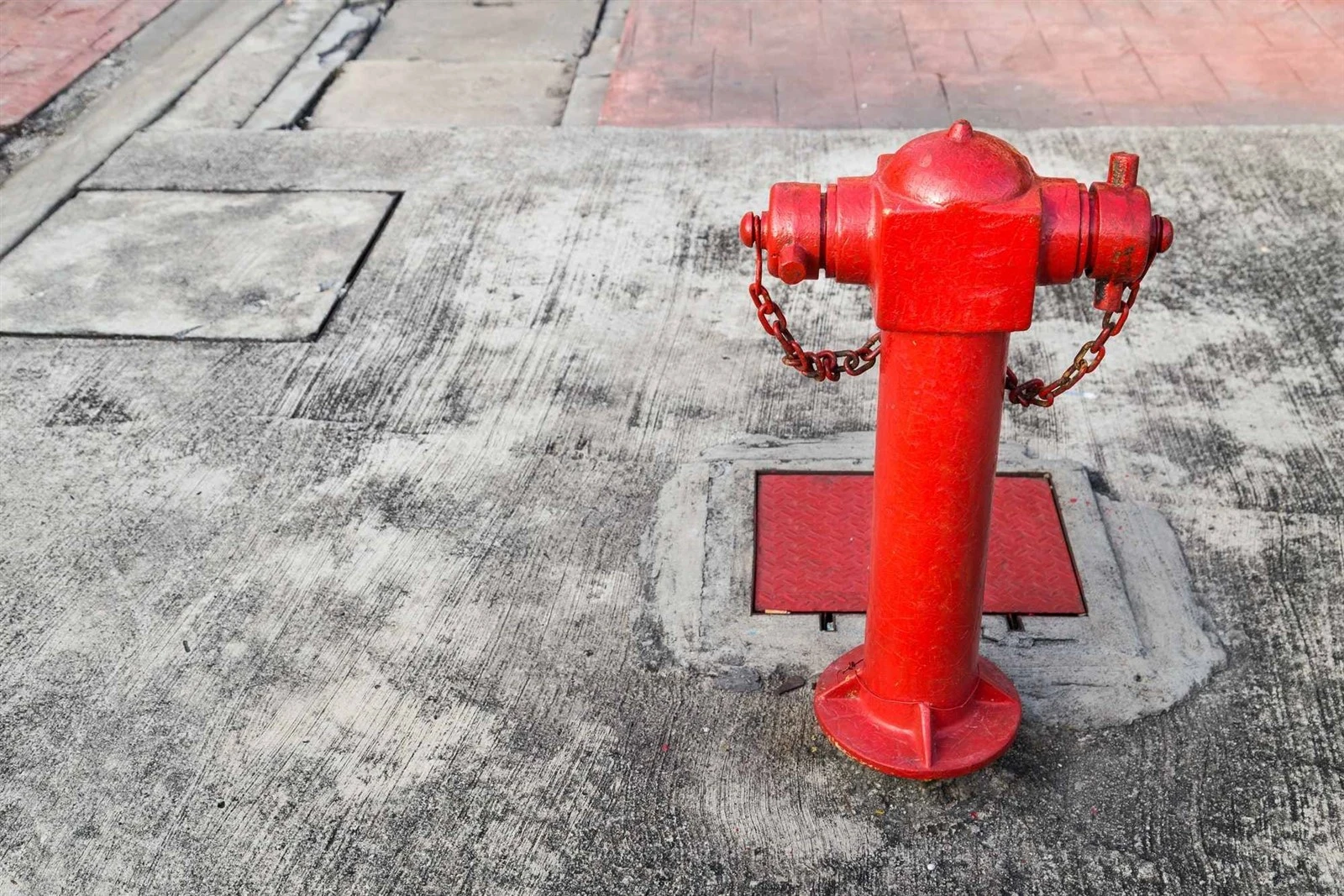
How to spot a low-quality or counterfeit BS 750 fire hydrant?
You can usually tell a lot about the quality by looking at the casting finish. A real BS 750 hydrant will have a smooth surface without "sand holes" or rough, jagged edges on the body. If the casting looks pitted, the foundry likely used poor-grade scrap metal. Weight is also a telltale sign; sub-standard units often have thin walls to save on iron, making them prone to cracking under a water hammer.
Check the markings on the side. The words "BS 750" and the manufacturer's name should be cast in raised letters in the metal, not stuck on with a label. Test the BS 336 outlets; the spring-loaded lugs should move smoothly. If they feel gritty or get stuck, the dimensions are probably off. Finally, look at the paint quality. Cheap sets are just spray-painted and will peel off within a year. A proper unit uses fusion-bonded epoxy (FBE) that feels like a hard plastic shell, designed to endure decades of sun and salt air.