
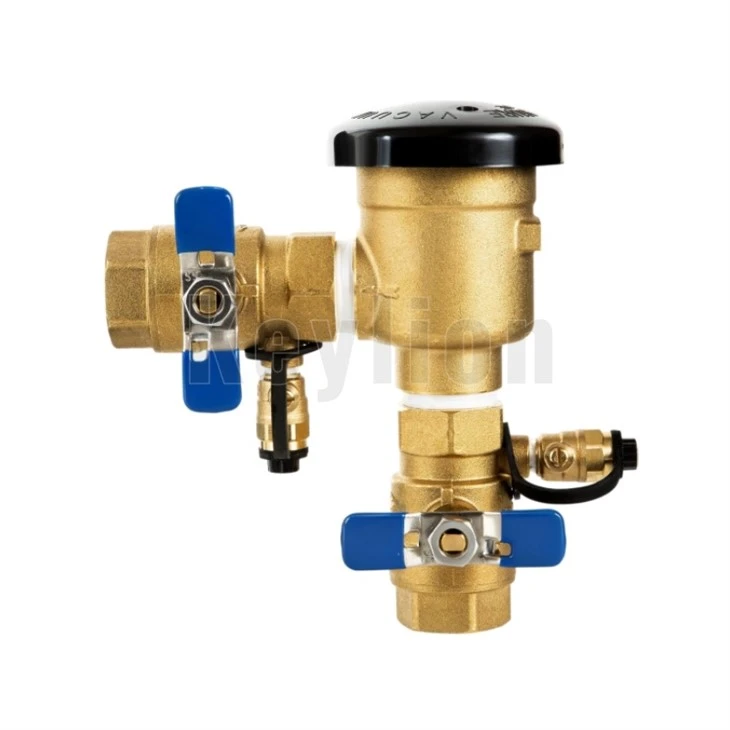

Pressure Vacuum Breaker Assembly
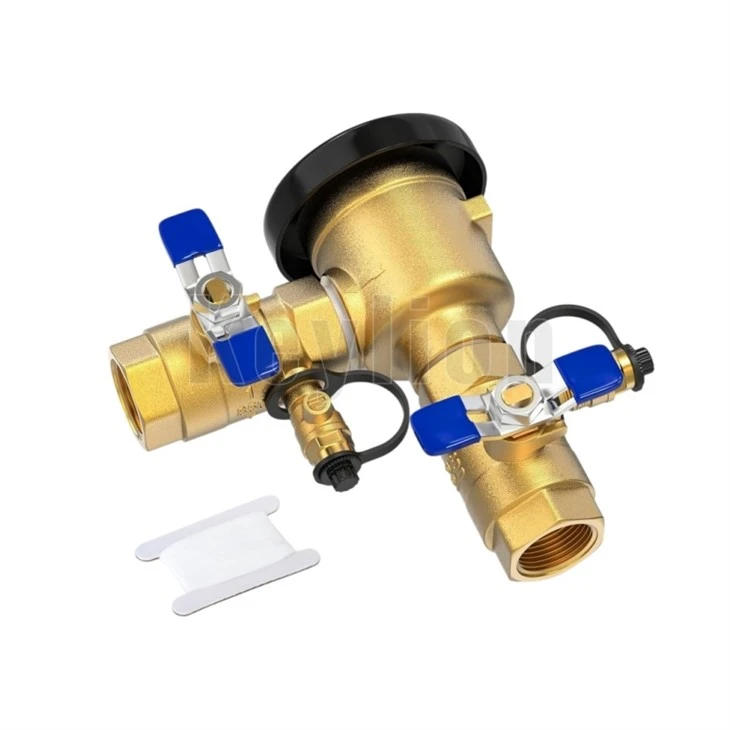
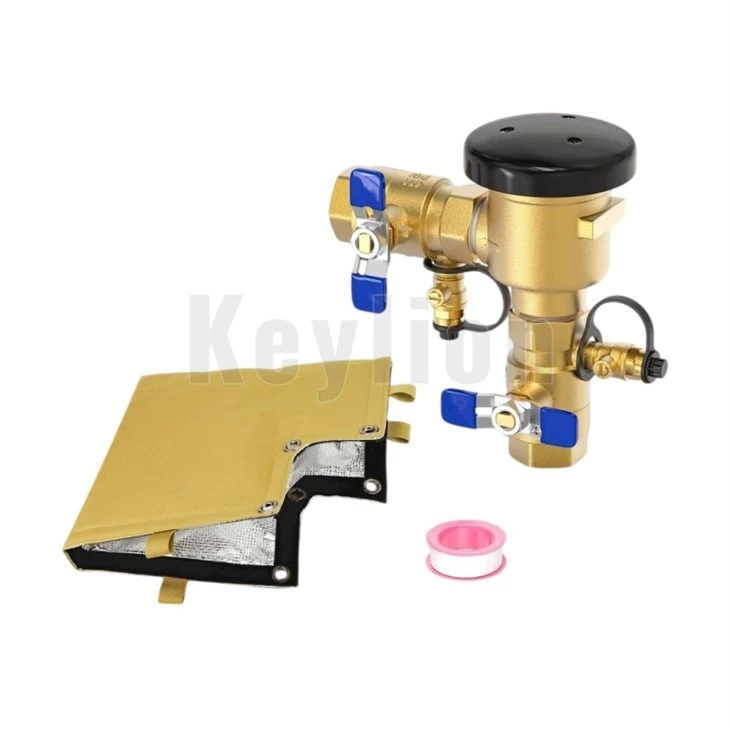
If you're working on irrigation systems, you've probably run into backflow risks that threaten local drinking water lines. This 720A Pressure Vacuum Breaker Assembly, or PVB valve, is what many local irrigation installers pick to stop back-siphonage.
Here's how it works in real field conditions: when water pressure in the pipeline suddenly drops, there is a risk of dirty irrigation water being pulled back into clean city water supply. Inside this brass unit, a spring check valve stays closed while water flows normally. Once line pressure falls under 1 PSI, the air vent opens automatically to break the vacuum, so reverse suction can't happen.
Technical Specifications
| Specification | Details |
| Product Name |
720A Pressure Vacuum Breaker Assembly (PVB) Backflow Preventer |
| Brand | Keylion®/OEM |
| Body Material | Brass / Bronze |
| Top Canopy Material | ABS Polymer / Metal (Model Dependent) |
| Connection Size | 3/4" or 1" FNPT (Female National Pipe Thread) |
| Max Working Pressure | 400 PSI (27.6 Bar) |
| Operating Temperature | 33°F to 110°F (0.5°C to 43°C) |
| Hydrostatic Test Pressure | 300 PSI |
| Included Components |
1x PVB Main Body 2x Quarter-Turn Ball Valves 2x Brass Test Cocks with Dust Caps |
| Protection Type | Continuous Pressure Backsiphonage Protection |
| Application |
Lawn Sprinkler Systems, Drip Irrigation Outdoor Water Lines, Commercial Landscaping |
I've seen most fitters place this assembly right after the main shut-off valve on the main supply line for outdoor sprinkler networks. This placement protects every sprinkler downstream. Think about a common scenario: a fire hydrant being opened nearby or a water main break. Both can trigger a fast pressure drop. Without a PVB installed, fertilizers, pesticides and stagnant lawn water could get siphoned back into household drinking taps. It vents the pipe to atmosphere, which keeps the potable water safe for end users.
Greenhouses and plant nurseries also rely heavily on this unit at their water inlet points. One rule we always remind our clients: this PVB must mount vertically, and it needs to sit at least 12 inches above the highest pipe or emitter in the zone. This height requirement is not optional. It guarantees the air inlet can operate freely if the pump stops working. The water used in these sites carries lots of dissolved nutrients and chemicals, so this PVB acts as the last safety line, preventing contaminated water from flowing back into municipal mains during unexpected shutdowns or pipe repair jobs.

FAQ
Can I install this PVB horizontally or put it indoors?
Horizontal installation won't work properly. It has to stand vertical so the air vent can open as designed. We generally advise against indoor installation. Pressure swings can make the vent spit out water and flood the area. If your project really has no other choice for indoor placement, make sure you arrange a dedicated floor drain right next to it.
What is the right winterization process for this sprinkler backflow preventer?
Start by shutting off the main water supply and opening all zone valves downstream. Turn both test cocks to a 45-degree angle to let air get into the piping. After you blow out all leftover water with compressed air, set the two main ball valve handles to 45 degrees. A common mistake I see is leaving valves fully open or closed through freezing winter days; trapped water will crack the brass body easily.
What handle position should I use for daily operation?
For regular use, line the handles parallel to the pipe. This means the valve is open and water flows normally. If handles cross the pipe to form a T shape, the water is shut off. When the system sits idle for winter or long downtime, keeping handles at that 45-degree half-open spot is the best way to look after the internal seals.
Hot Tags: pressure vacuum breaker assembly, China pressure vacuum breaker assembly manufacturers, suppliers, factory