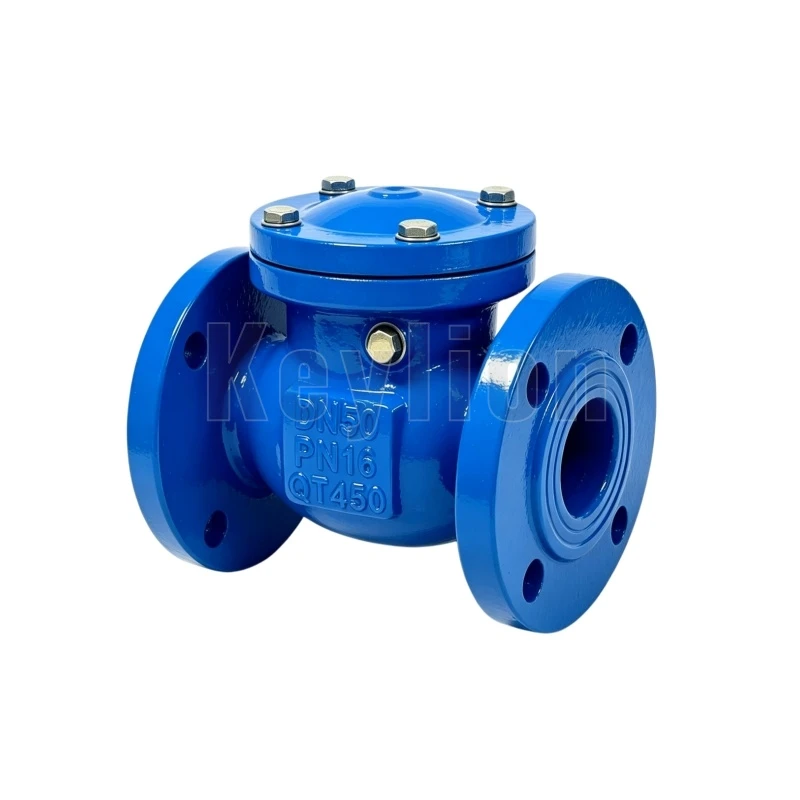
In the intricate world of fluid dynamics and piping engineering, the Check Valve-often referred to as a non-return valve (NRV) or one-way valve-is one of the most vital yet understated components. Its primary purpose is simple: to allow fluid (liquid or gas) to flow through a pipe in one direction while automatically preventing backflow when the direction reverses.
Unlike most valves, a check valve is "self-actuated." It does not require a handwheel, a lever, or an external motor to operate. Instead, it relies on the pressure of the flowing medium itself to open and close. This article explores the diverse applications, mechanical variations, and critical importance of check valves across modern industries.
⒈.The Fundamental Role: Preventing Backflow
The most basic answer to "what are check valves used for?" is the prevention of backflow. Backflow can be catastrophic for several reasons:
Contamination: In water treatment and plumbing, backflow can pull contaminated water into clean potable water lines.
Mechanical Damage: When flow reverses suddenly, it can cause a pump or compressor to spin backward, leading to motor burnout or catastrophic mechanical failure.
System Inefficiency: Backflow forces a system to re-process fluid that has already been moved, wasting energy and increasing wear.
⒉.Critical Applications Across Industries

A. Pump Protection and Management
In almost every pumping station, a check valve is installed on the discharge side of the pump. When the pump is running, the pressure opens the valve. When the pump stops, the check valve slams shut (or closes gently, depending on the design), preventing the entire column of water in the vertical or horizontal pipe from rushing back into the pump. This prevents Water Hammer-a high-pressure surge that can rupture pipes and joints.

B. Fire Suppression Systems
Check valves are essential in fire protection. They ensure that water from a fire department connection (FDC) flows into the sprinkler system but cannot flow back out into the municipal water supply. They also maintain pressure within the system by preventing water from leaking back toward the primary reservoir or tank.

C. Wastewater and Sewage Systems
In lift stations, check valves ensure that once sewage is pumped to a higher elevation, it stays there. Without a reliable check valve, the sewage would drain back into the wet well every time the pump cycles off, causing odors, overflow, and unnecessary pump cycling.

D. Household and Commercial Plumbing
Your home likely contains several check valves. The most common is the backwater valve in the basement, which prevents city sewer backups from entering your home during heavy rain. Additionally, water heaters use them to prevent hot water from backing into the cold water supply lines.
⒊.Maintenance and Troubleshooting
While check valves are "automatic," they are not "maintenance-free." Common issues include:
■ Debris Fouling: A small pebble or piece of scale can prevent the valve from sealing completely, leading to "weeping" backflow.
■ Slamming: If a valve closes too slowly or too fast for the system's dynamics, it can create a shockwave.
■ Wear and Tear: Hinge pins and springs eventually fatigue. Regular Non-Return Valve Inspections are necessary to ensure the internal disc has not become detached.
Conclusion
『From the massive pipelines of oil and gas refineries to the small tubes in a medical IV drip, the check valve is an essential guardian of direction. It provides a simple, mechanical solution to a complex problem, ensuring that systems remain safe, pressurized, and uncontaminated.』