Valve Station Components
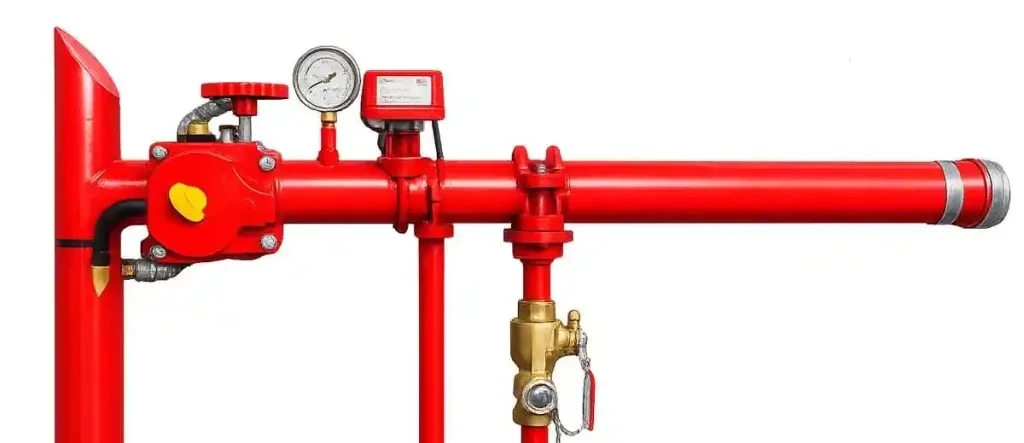
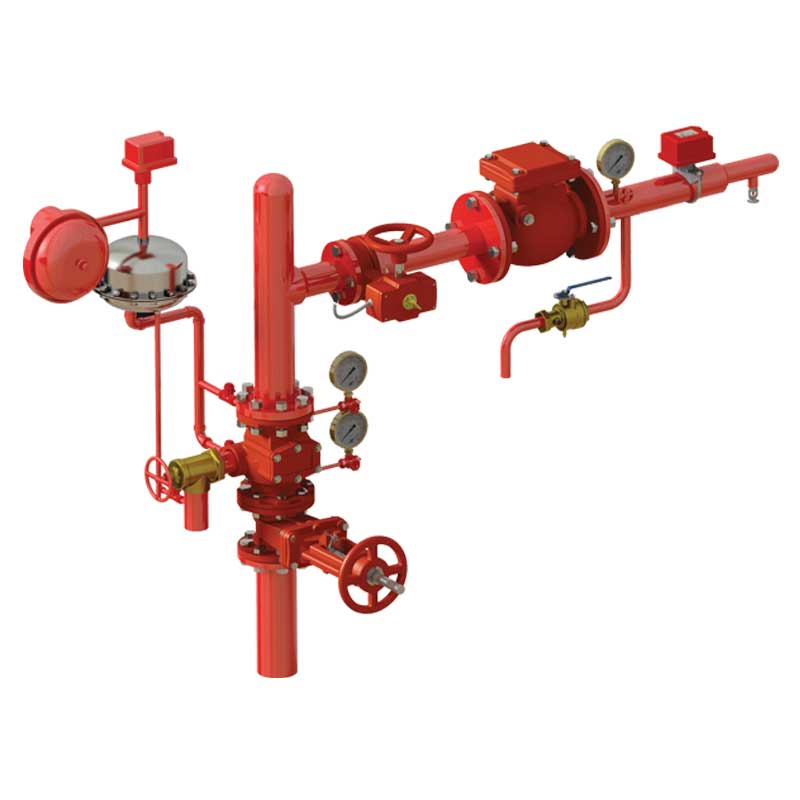
A complete zone control valve assembly isn't just a simple shut-off point. It's a monitoring station that tells the building's fire alarm panel exactly what is happening in the pipes. In a typical fire protection setup, we usually install a manifold that combines four specific components to manage each floor or branch.
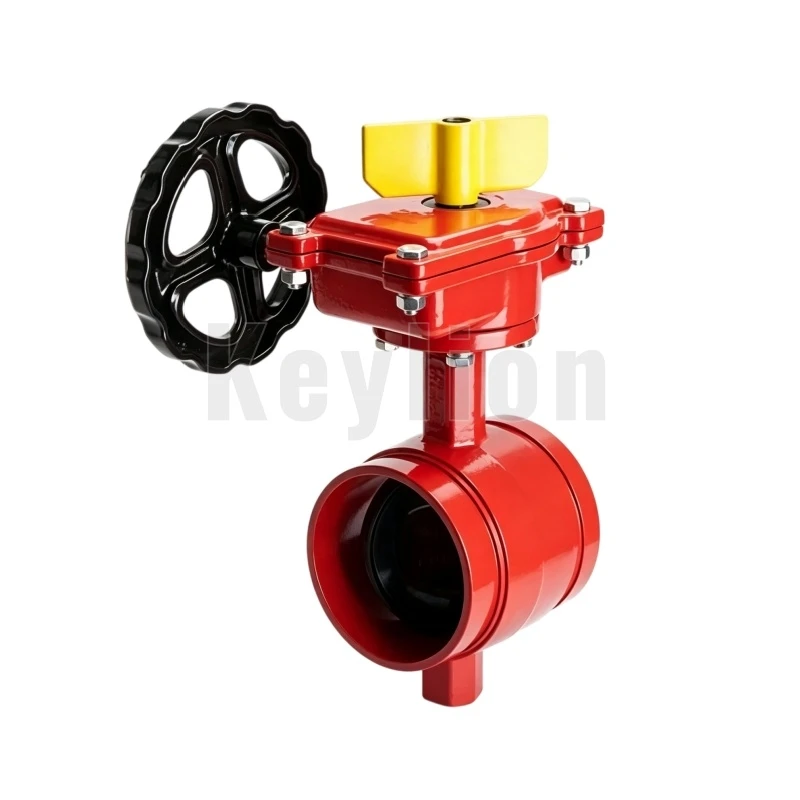

Signal Butterfly Valve This is your main isolation point. Unlike a standard gate valve, this one has a built-in tamper switch. If someone tries to close it, the fire alarm panel gets a signal immediately. Most sites use the lug or wafer type here because they take up very little space in the riser room.
Waterflow Indicator You'll see this mounted on the pipe, usually with a red box on top. Inside is a paddle. When a sprinkler head opens and water starts moving, the paddle moves and triggers a switch. We usually set a 30 to 90-second delay on these so a simple pressure surge doesn't trigger a false fire alarm.
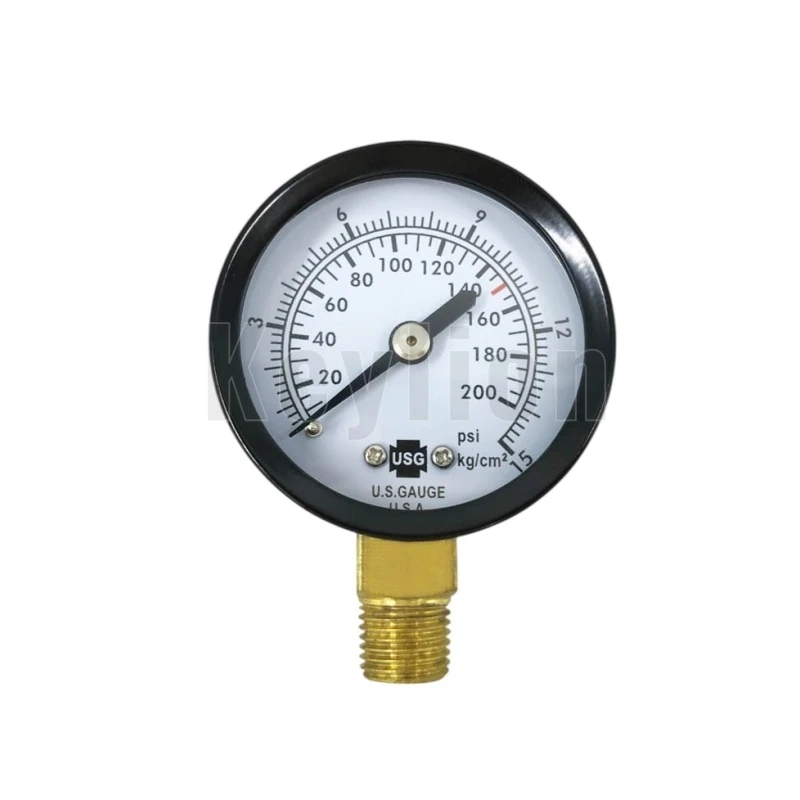
Pressure Gauge A simple but necessary tool. It tells the maintenance team if the zone is pressurized. Most of the time, we use a 0-300 psi gauge. It's usually installed just after the signal valve to show the actual pressure available to the sprinklers in that specific zone.
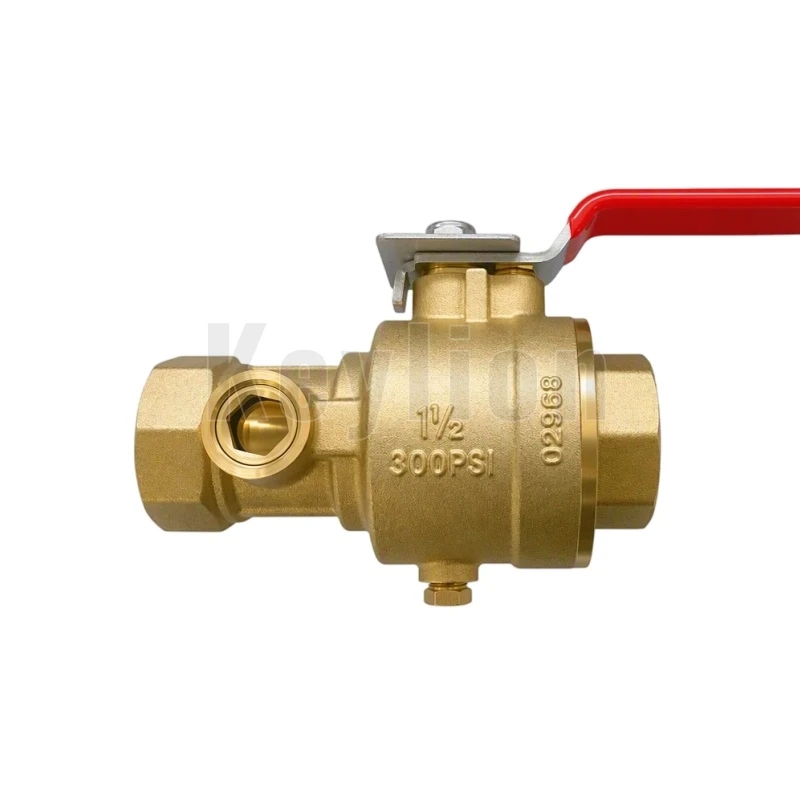
Test and Drain Valve This is a multi-purpose unit. It has a small orifice inside that mimics the flow of a single sprinkler head. When you turn it to "test," you're checking if the waterflow indicator actually works. Switch it to "drain," and it opens up a larger path to empty the pipes for repairs.

What is the function of a zone control valve in a sprinkler system?
The core job of a zone control valve is area isolation and monitoring. If you have a ten-story building, you don't want to shut down the water for the whole tower just because a pipe is leaking on floor four. By closing the signal butterfly valve on that specific floor, you isolate that zone while the rest of the building stays protected.
It also acts as a local reporter. The waterflow indicator tells the fire department exactly which floor the fire is on. Without this "zoning," they would just know the system is active but wouldn't know where to run once they enter the building. It turns a massive system into manageable chunks.
NFPA 13 rules are pretty clear about when you need these. Generally, for multi-story buildings, you must provide a zone control valve for each floor. This makes testing and maintenance much faster. Large warehouses also split their floor space into different zones based on square footage to keep things organized.
Regarding height, you have to be able to reach it. Most codes and site inspectors look for the handle of the signal valve to be between 1.2 meters (about 4 feet) and 2.1 meters (7 feet) above the floor. If it's mounted too high in the ceiling, you'll need a permanent ladder or a chain operator, which adds cost and complexity. Keeping it at chest height is the standard for most mechanical rooms.
Choosing a zone control valve assembly ensures your fire system is compliant and easy to manage. It combines the ability to shut off water, detect flow, check pressure, and test the alarm system in one compact station. Whether you are dealing with a high-rise or a sprawling commercial mall, these manifolds are the standard for localized fire water management.