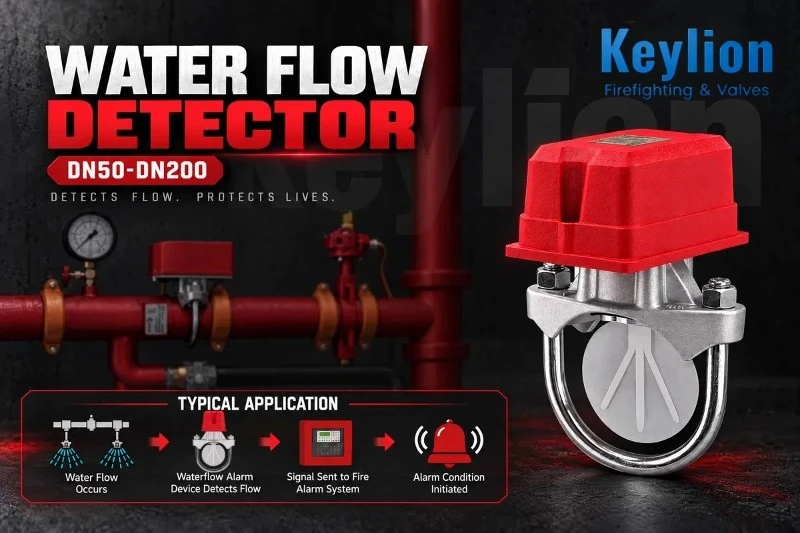
On a wet automatic sprinkler system, the waterflow switch (or detector) should be installed on the main system riser or at each floor's zone control assembly downstream of the control valves. It must be positioned in a section of straight pipe long enough to ensure laminar flow, which allows the internal paddle to move smoothly and trigger the alarm without being hampered by turbulence or "ghost" trips.
System-Level Installation Locations
When we design the layout for a project, the size and complexity of the building dictate exactly where these switches need to go. It isn't just about slapping a sensor on a pipe; it's about making sure the fire alarm panel knows exactly where the water is moving.
Main System Riser
In smaller, more straightforward buildings-think of a single-story warehouse, a local workshop, or a small retail unit-we usually install the waterflow switch directly on the main system riser. This is the primary vertical pipe that brings the water supply from the underground mains into the building's sprinkler network.
Installing it here is a very practical, cost-effective solution for simple properties. Since there is only one major zone, a single switch on the riser acts as a central watchdog. If any sprinkler head in the entire building activates, the water rushing up that main pipe moves the paddle, and the alarm sounds. It's perfect for sites where the fire department can walk in the front door and immediately see where the issue is. However, keep in mind that on the main riser, you still need to be above the main shut-off valve and the check valve to avoid any interference from the city's water pressure fluctuations.
Floor / Zone Control Manifold
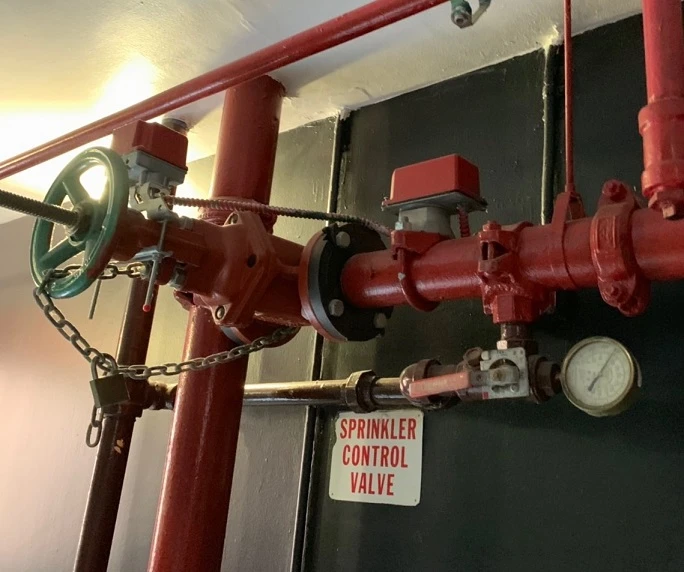
In these systems, the building is split into manageable zones, usually by floor or by a specific area like a parking garage. Each zone has its own control manifold, and that is where the waterflow switch is essential. On a standard manifold, the order is specific: you have the supply pipe, followed by the signal butterfly valve (tamper switch), then the check valve, and then the waterflow switch. By installing it right after the zone's control valve, the switch only detects water movement for that specific area.
When the fire alarm panel receives a signal from the "4th Floor East Wing" waterflow switch, the responders know exactly where to go. One detail I always emphasize to our clients is the position relative to the inspector's test valve. The waterflow switch must be installed upstream of the test valve. When a technician opens that test valve during a routine check, the water must flow past the switch's vane to verify that the alarm logic is working. If you put the switch at the very end of the line, after the test point, you won't be able to test the system properly without actually popping a sprinkler head.
One of the most frequent mistakes we see on-site is "cramming" the switch too close to a bend. Turbulence is the enemy of a vane-type switch. If the water is swirling, the paddle will vibrate, which leads to false alarms or, worse, a snapped paddle. We use these spacing rules to ensure the water stabilizes before it hits the sensor:
| Component Near the Switch | Minimum Straight Pipe Run | Why This Distance Matters |
| Bends (Elbows, Tees, Reducers) | 6 inches (15 cm) | Gives the water room to stop "tumbling" after a turn. |
| Valves (Butterfly, Gate, Check) or Drains | 24 inches (60 cm) | Valves create significant turbulence; 2 feet allows the flow to return to a smooth state. |
Orientation & Height
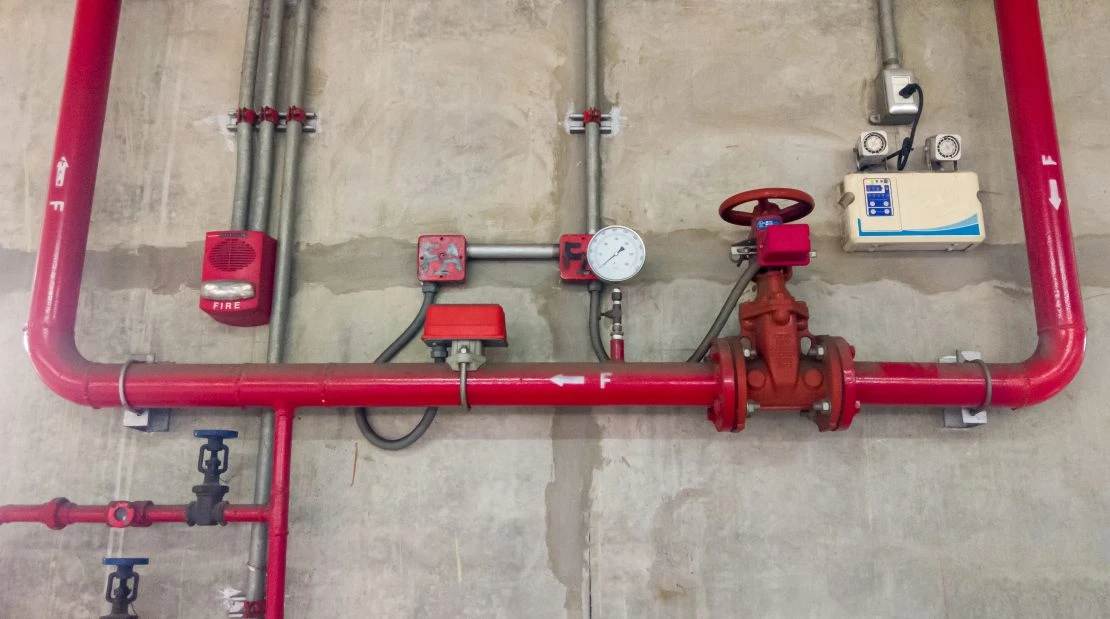
For horizontal piping, always mount the waterflow switch on the top of the pipe. Some installers try to mount them sideways to save space in tight ceiling voids, but that's asking for trouble. Sediment, scale, or even small bits of pipe debris will eventually settle on the paddle or seep into the red electrical box if it's mounted sideways or upside down. This leads to corrosion of the microswitch and total failure.
On vertical pipes, these are one-way streets. They only work on risers where the water flows upward. If you try to install one on a "down-feed" pipe, the paddle won't trigger correctly during a fire.
As for height, we suggest keeping the switch about 6 to 7 feet (1.8 to 2.1 meters) above the finished floor. This keeps it high enough to avoid being knocked by forklifts or ladders, but low enough that a maintenance guy can reach it with a small stepladder to check the wiring or adjust the retard timer.
Common Installation Mistakes to Avoid
Always check the direction-of-flow arrow on the metal base before you tighten the U-bolts. It sounds like a "rookie" thing, but even pros install them backward when they are in a hurry. If that arrow isn't pointing with the water, the switch is useless.
Lastly, remember these vane-type detectors are only for wet-pipe systems. Never put them in a dry-pipe or deluge system. The massive "slug" of water that hammers through the pipe when a dry system trips is fast enough to tear the plastic vane right off the stem, which means no alarm signal goes out while the building is burning.