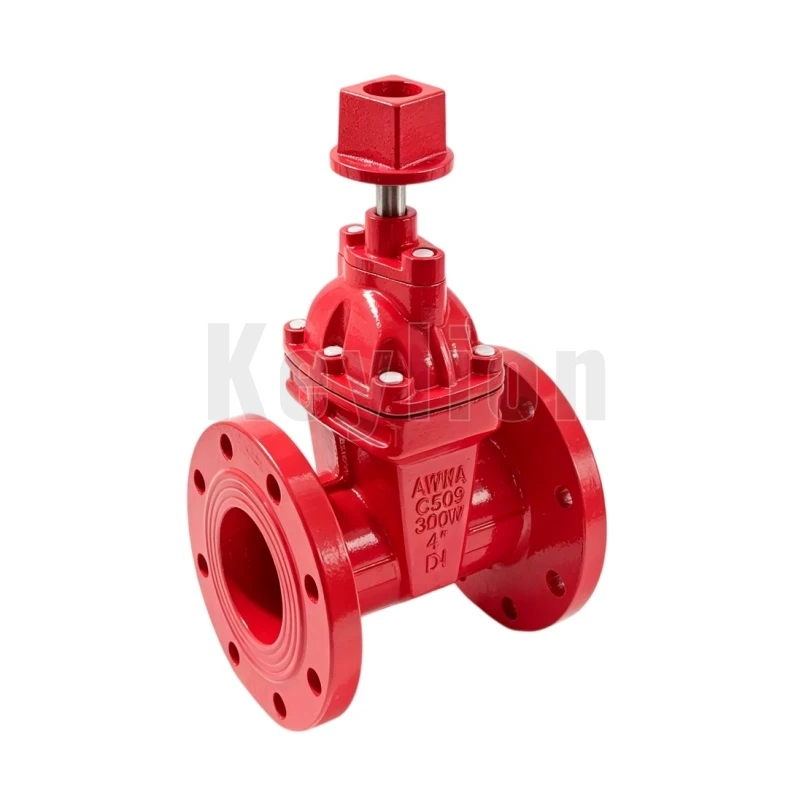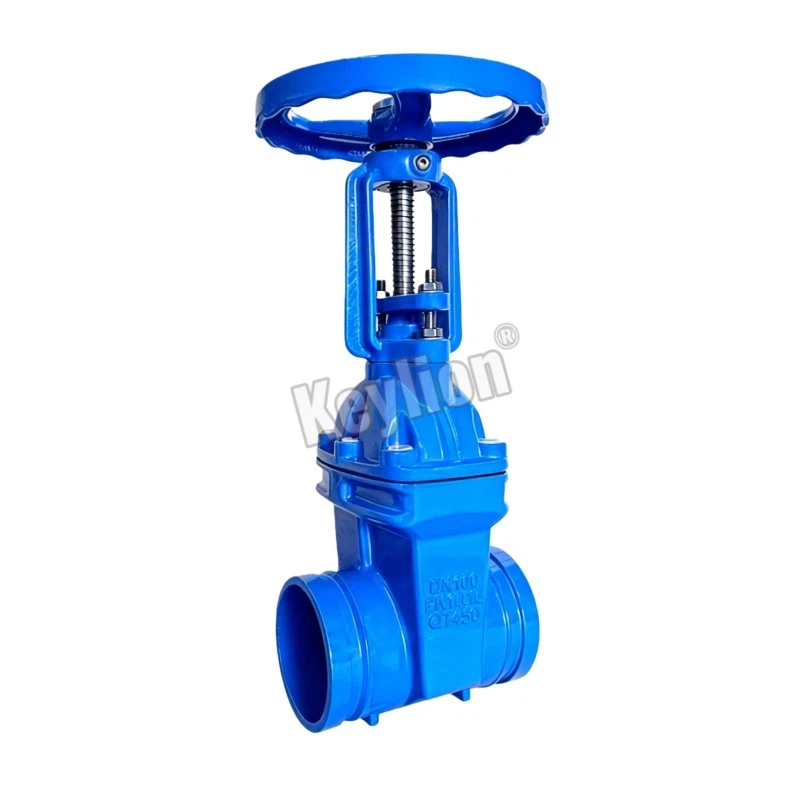

In modern fire protection and HVAC systems, monitoring water movement is critical for safety and operational efficiency. While many switches look similar, they operate on different mechanical principles and serve specific roles. This guide explores the differences between the Vane Type Water Flow Switch, the Paddle Water Flow Switch, and the Valve Supervisory Switch (often referred to as a Valve Supervisory Switch).
 ■
■ Vane Type Water Flow Switch
The 【Vane Type Water Flow Switch】is the most common device used in automatic fire sprinkler systems. Its primary job is to detect when a sprinkler head has activated and water is flowing through the piping.
How It Works
This switch features a flexible plastic or metal vane (the "paddle") that sits inside the pipe, perpendicular to the flow. When water moves at a rate of 10 gallons per minute (GPM) or more, it pushes the vane forward. This motion triggers a mechanical linkage that activates a microswitch, sending a signal to the fire alarm control panel.
Key Features
■ Time Delay Mechanism: Most vane switches include a pneumatic retard (delay) feature, typically adjustable from 0 to 90 seconds. This prevents false alarms caused by pressure surges or "water hammer."
■ Pipe Mounting: It is typically mounted on the outside of the pipe. A hole is drilled into the pipe, and the vane is inserted. It is secured using a U-bolt or saddle clamp.
■ Application: Exclusively used in wet-pipe sprinkler systems. It cannot be used in dry-pipe or pre-action systems because the initial rush of air or water could damage the vane.

Paddle Water Flow Switch
While the terms "vane" and "paddle" are often used interchangeably, in industrial and HVAC contexts, a 【Paddle Water Flow Switch】refers to a more versatile, often smaller device used for liquid flow monitoring rather than just fire protection.
How It Works
Similar to the vane type, it uses a paddle to sense movement. However, paddle switches are often designed for smaller pipe diameters (DN25) and are frequently used to monitor flow in chillers, liquid-to-liquid heat exchangers, and pumping systems.
Key Features
■ Customizable Paddles: Many units come with a set of paddles of different lengths. Users can trim the paddle to fit the specific pipe size during installation.
■ Sensitivity: These are often more sensitive than fire-rated vane switches and can be used to monitor lower flow rates in industrial processes.
■ Threaded Connection: Unlike the U-bolt mounting of fire switches, paddle switches often use a standard NPT threaded connection to screw directly into a "T" fitting in the plumbing.

Valve Supervisory Switch
The 【Valve Supervisory Switch】(often called a Tamper Switch) serves a completely different purpose than the first two. While flow switches detect if water is moving, the supervisory switch monitors if the valve is open.
How It Works
This switch is mounted onto the stem or handwheel of a control valve (such as a butterfly valve, OS&Y gate valve, or ball valve). It contains a spring-loaded lever or plunger that rests against the valve mechanism. If someone attempts to close the valve to shut off the water supply, the lever moves, tripping the switch and sending a "supervisory" signal to the alarm panel.
Key Features
■ Tamper Resistance: These switches are designed to be difficult to bypass. They ensure that the fire protection water supply is always available.
■ Two States: It generally monitors two positions: "Fully Open" or "Off-Normal."
■ Mounting Variety: Depending on the valve type, you may use a Potter Electric OSYSU for gate valves or specialized internal switches for butterfly valves.
Comparison Table: At a Glance
| Feature | Vane Type Water Flow Switch | Paddle Water Flow Switch | Valve Supervisory Switch |
|---|---|---|---|
| Primary Goal | Detect water flow in fire pipes | Monitor flow in HVAC/Industry | Ensure water valves stay open |
| Detection Trigger | Water movement (10+ GPM) | Liquid movement | Mechanical valve movement |
| Mounting | U-bolt / Saddle clamp | Threaded (NPT) | Valve stem or handwheel |
| System Type | Wet-pipe fire systems | Industrial / Chillers | Any water control valve |
| False Alarm Protection | Built-in time delay (Retard) | Minimal to none | Not applicable |
Which One Do You Need?
Choosing the right switch depends entirely on your application:
If you are installing a fire sprinkler system: You need the Vane Type Water Flow Switch to alert the fire department when a head opens.
If you are protecting a chiller or pump: You need a Paddle Water Flow Switch to ensure the equipment doesn't overheat or run dry if the pump fails.
If you need to meet fire code for valve monitoring: You need a Valve Supervisory Switch to prevent unauthorized shut-off of your water supply.
Installation Best Practices
Orientation: Flow switches should always be installed on a straight run of pipe, at least 6 to 10 inches away from fittings or valves to avoid turbulence.
Wiring: Always refer to the manufacturer's wiring diagram. For fire systems, ensure the switch is wired to a supervised circuit so a cut wire also triggers an alert.
Testing: Water flow switches should be tested quarterly by opening the "Inspector's Test Connection" to simulate a single sprinkler head flow.
Conclusion
Understanding the difference between Vane Type, Paddle, and Valve Supervisory switches is the key to a compliant and safe building. While the first two tell you when water is flowing, the third ensures that the water is ready to flow when it matters most.
For high-quality flow detection components, you can explore professional-grade options from industry leaders like System Sensor or Johnson Controls to find the specific model that fits your pipe size and pressure requirements.